

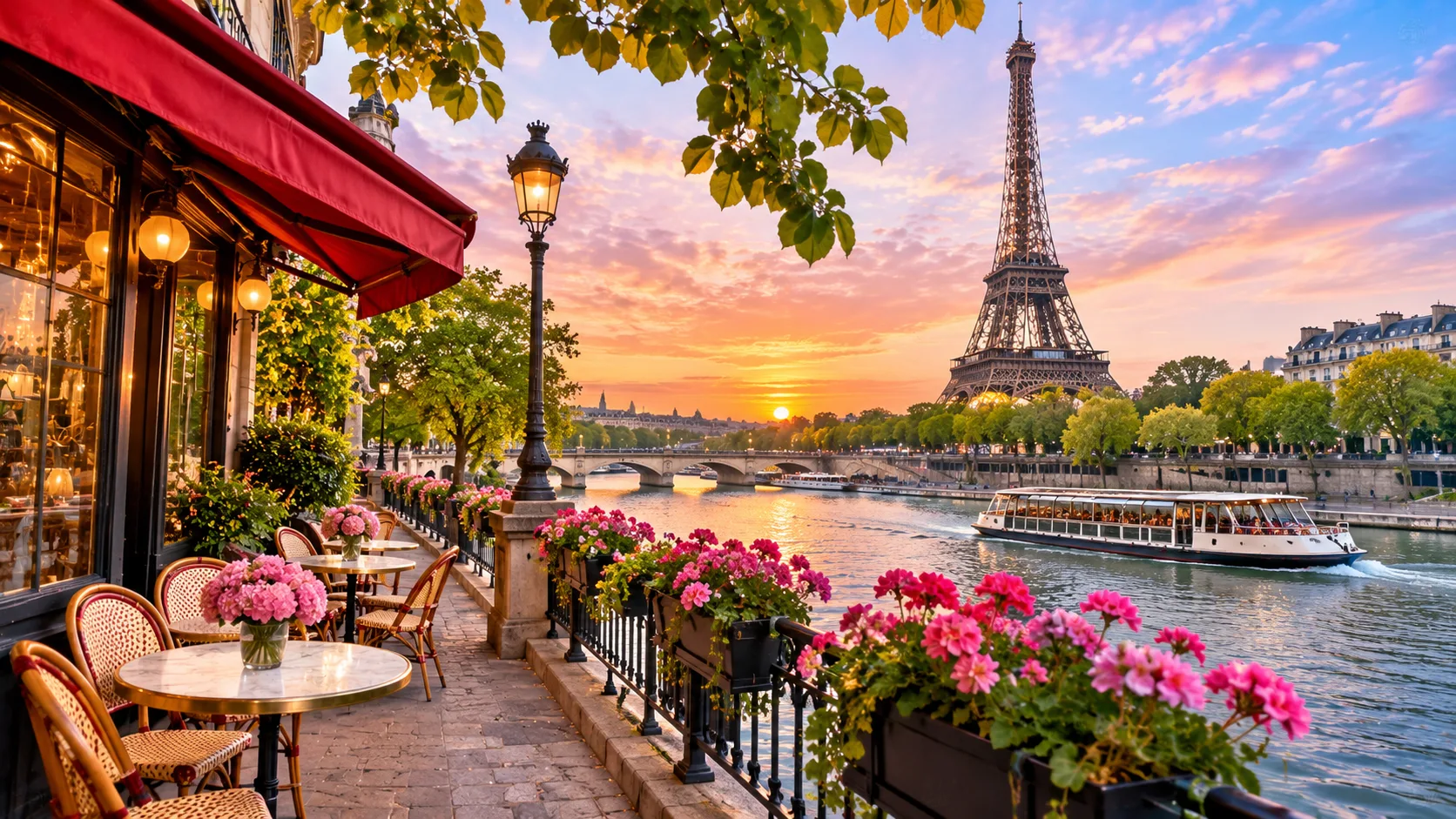
What to Do in Paris: Best Attractions and Hidden Gems
Paris is one of the world’s most popular travel destinations, known for its historic buildings, famous museums, romantic streets, and beautiful gardens. Visitors can admire the Eiffel Tower, explore the Louvre, or enjoy peaceful walks beside the Seine River. However, the city offers much more than its familiar landmarks. Knowing what to do in Paris helps travelers discover memorable experiences beyond the usual sightseeing routes.
The French capital combines centuries of history with modern culture, excellent food, and lively neighborhoods. Every district has something different to offer, from artistic Montmartre to the elegant streets of Saint-Germain-des-Prés. Travelers can explore museums, visit local markets, or relax in scenic parks. Many enjoyable experiences are available without purchasing expensive attraction tickets.
First-time visitors often want to see iconic attractions, while returning travelers may prefer quieter locations. A balanced itinerary can include both famous landmarks and lesser-known places. Planning activities by neighborhood also reduces unnecessary travel across the city. This guide explores the best things to do in Paris, including historical sights, hidden gems, and practical ideas for an enjoyable visit.
Visit the Eiffel Tower for Iconic Paris Views
The Eiffel Tower is one of the most recognizable landmarks in the world and an essential stop for many Paris visitors. Built for the 1889 World’s Fair, the iron structure has become a symbol of France. Its distinctive design attracts travelers throughout the year. Visitors can admire the tower from surrounding gardens or explore its elevated viewing areas.
The tower provides panoramic views across Paris, including the Seine River, surrounding neighborhoods, and several major monuments. Different observation levels offer different perspectives of the city. Access arrangements depend on the ticket type and operational conditions. Booking through official channels in advance can make planning easier, particularly during popular travel periods.
You do not need to climb the tower to enjoy its beauty. The Trocadéro area offers a famous viewpoint, while nearby streets provide interesting photographic perspectives. Evening visits can be memorable when the structure is illuminated. Comfortable walking shoes are useful because the surrounding area offers several opportunities for exploring on foot.
Explore the Louvre Museum and Its Famous Artworks
The Louvre Museum is among the world’s most celebrated art institutions and a major attraction in central Paris. Located in a former royal palace, it houses collections covering thousands of years of artistic history. Visitors can discover ancient sculptures, European paintings, and decorative objects. The museum’s impressive architecture makes the building itself an important part of the experience.
One of its best-known artworks is Leonardo da Vinci’s Mona Lisa. Other highlights include the Winged Victory of Samothrace and the Venus de Milo. However, the Louvre contains far more than its most famous pieces. Exploring smaller galleries can reveal fascinating collections with fewer visitors than the main exhibition areas.
The museum is too large to see thoroughly during one short visit. Choosing several collections in advance creates a more manageable experience. Allow enough time to appreciate individual artworks instead of rushing between galleries. Visitors should also check current opening arrangements and reservation requirements before arriving, since schedules and access conditions can change.
Discover Notre-Dame Cathedral and Île de la Cité
Notre-Dame Cathedral is one of Paris’s most significant historical and architectural landmarks. Situated on Île de la Cité, it is known for its Gothic design, sculptures, and impressive stonework. The cathedral has witnessed important events throughout French history. Following the devastating 2019 fire, extensive restoration work helped preserve this remarkable monument.
The surrounding island offers opportunities to explore some of the city’s oldest streets and historic buildings. Visitors can walk beside the Seine, admire nearby bridges, and appreciate the cathedral’s exterior. The area connects easily with other central attractions. Its compact layout makes it suitable for travelers who enjoy discovering Paris on foot.
Because access arrangements may vary, visitors should review official cathedral information before planning an interior visit. Restoration work and special events can affect certain areas. Even a walk around the cathedral offers an opportunity to appreciate its architectural details. Exploring Île de la Cité also provides valuable context about the city’s medieval origins.
Admire the Stained Glass at Sainte-Chapelle
Sainte-Chapelle is a remarkable Gothic chapel located close to Notre-Dame Cathedral. Built during the thirteenth century, it is especially famous for its enormous stained-glass windows. The chapel was commissioned by King Louis IX and originally formed part of the royal palace complex. Today, it remains one of the most impressive historical interiors in Paris.
The upper chapel features tall windows filled with colorful biblical scenes. Natural light passing through the glass creates a striking atmosphere inside the building. Visitors can also appreciate the detailed stonework and historical craftsmanship. The chapel’s relatively compact interior makes it possible to enjoy its main features without spending an entire day there.
Sainte-Chapelle is particularly rewarding for travelers interested in architecture, medieval history, and photography. Security procedures and visitor numbers can influence entry times. Advance reservations may be helpful during busy periods. Combining the chapel with Notre-Dame and nearby river walks provides a convenient way to explore the historical heart of Paris.
Wander Through Montmartre and Sacré-Cœur
Montmartre is a historic hillside neighborhood famous for its artistic heritage, charming streets, and scenic viewpoints. Artists and writers have long been associated with the area. Visitors can explore winding lanes, small squares, and traditional cafés. Its distinctive atmosphere offers a contrast to the grand boulevards found elsewhere in central Paris.
The Basilica of Sacré-Cœur stands near the top of the hill and offers impressive views over the city. Its white exterior makes it one of the most recognizable landmarks in northern Paris. Nearby Place du Tertre is known for artists displaying their work. Exploring the surrounding streets reveals quieter corners beyond the busiest tourist spots.
Montmartre involves hills, stairs, and uneven walking surfaces, so comfortable footwear is recommended. Travelers who prefer a slower visit can use public transport to reach the neighborhood and explore selected areas. Early mornings may provide a calmer atmosphere. Taking time to wander beyond the main square can reveal some of Montmartre’s most memorable streets.
Visit Musée d’Orsay for Impressionist Masterpieces
Musée d’Orsay is a celebrated art museum located inside a former railway station near the Seine. Its striking interior includes a spacious central hall and distinctive architectural details. The museum is particularly famous for its nineteenth-century and early twentieth-century collections. Visitors can admire paintings, sculptures, photographs, and decorative art.
The collection includes works associated with artists such as Claude Monet, Pierre-Auguste Renoir, Edgar Degas, and Vincent van Gogh. These artworks provide an engaging introduction to Impressionism and related artistic movements. The museum’s former station architecture adds another layer of interest. Many visitors appreciate the combination of cultural history and creative expression.
Musée d’Orsay is an excellent choice for travelers who enjoy art but want a different experience from the Louvre. Spending time with a selected group of artworks can be more rewarding than rushing through every room. Visitor arrangements and temporary exhibitions change throughout the year. Checking current information before visiting helps avoid unnecessary scheduling problems.
Relax in the Beautiful Luxembourg Gardens
The Luxembourg Gardens provide a peaceful escape from the busy streets of Paris. Located near the Latin Quarter, the gardens feature fountains, tree-lined paths, flowerbeds, and traditional green chairs. The surrounding landscape reflects the city’s long history of public garden design. Visitors can enjoy a slower experience without leaving central Paris.
The gardens are popular with families, students, residents, and travelers seeking a comfortable outdoor break. Visitors may see people reading, walking, or relaxing near the central pond. Seasonal flowers add color throughout different parts of the year. The nearby Luxembourg Palace provides an impressive architectural background for the landscaped grounds.
A visit to the gardens can fit naturally into a day exploring the Latin Quarter or Saint-Germain-des-Prés. Entry to the main public gardens is generally free, although opening times vary seasonally. Bringing a book or enjoying a simple picnic can make the experience more relaxing. The gardens demonstrate that some of Paris’s most enjoyable attractions do not require expensive tickets.
Explore Galerie Vivienne and Paris’s Hidden Passages
Galerie Vivienne is one of the most charming covered shopping passages in Paris. Located near the Palais-Royal, it features a beautiful mosaic floor, glass roofing, and elegant nineteenth-century architecture. Visitors can explore boutiques, bookshops, and small businesses. The historic atmosphere makes it especially attractive for architecture lovers and photographers.
Paris contains several other remarkable covered passages that preserve elements of the city’s commercial past. Passage des Panoramas, Passage Jouffroy, and Passage Verdeau offer distinctive interiors and interesting shops. Each passage has its own atmosphere. Exploring these galleries can feel like discovering a quieter side of Paris hidden between ordinary streets.
Covered passages are particularly useful when the weather is rainy or cold. Many are freely accessible during their opening hours, although individual shops and galleries follow different schedules. They also provide opportunities to appreciate historical details without booking museum tickets. A walking route through several passages makes an enjoyable alternative to conventional sightseeing.
Walk Along Canal Saint-Martin Like a Local
Canal Saint-Martin is a scenic waterway surrounded by bridges, tree-lined streets, and lively neighborhood spaces. It offers a more relaxed atmosphere than many of Paris’s major tourist attractions. Visitors can watch boats pass through locks or explore nearby cafés and independent shops. The canal is especially appealing to travelers interested in everyday Parisian life.
Walking along the water provides opportunities for photography, conversation, and quiet breaks. The surrounding neighborhood includes local businesses and streets worth exploring. Different sections of the canal offer different experiences, from busy gathering places to calmer walking areas. It is a pleasant destination for travelers who prefer flexible sightseeing without a strict schedule.
Canal Saint-Martin can be combined with other attractions in northeastern Paris. Visitors should respect residents and keep public areas clean when stopping for a picnic. Comfortable shoes make longer walks easier. Exploring the canal allows travelers to experience a different side of the city beyond its traditional monuments and large museums.
Discover Coulée Verte, Paris’s Elevated Garden Walk
Coulée Verte René-Dumont is a distinctive green walking route developed along a former railway line. The promenade extends through parts of the twelfth arrondissement, offering a peaceful environment above and between city streets. It features trees, flowers, and landscaped sections. The elevated portions provide unusual perspectives of nearby buildings and neighborhoods.
Unlike famous landmarks that attract large sightseeing crowds, this pathway offers a more relaxed outdoor experience. Visitors can enjoy greenery while remaining within the urban landscape. Some sections pass above the Viaduc des Arts, where workshops and creative businesses occupy the spaces below. The combination of nature and architecture makes the route especially memorable.
Travelers can explore a shorter section rather than walking the entire promenade. Certain entrances involve stairs, and accessibility varies between areas. Seasonal opening hours may affect access. Coulée Verte is an excellent option for visitors seeking free outdoor activities and hidden gems beyond Paris’s most frequently photographed attractions.
Escape the Crowds at Parc des Buttes-Chaumont
Parc des Buttes-Chaumont is one of Paris’s most distinctive public parks. Located in the nineteenth arrondissement, it features steep hills, a lake, dramatic rocky scenery, and landscaped walking paths. The park’s unusual terrain creates a different atmosphere from the formal gardens of central Paris. It attracts visitors who enjoy nature and scenic viewpoints.
A prominent feature is the Temple de la Sibylle, situated on a rocky island overlooking the surrounding landscape. The park also contains lawns, bridges, and shaded areas for relaxation. Visitors can spend time walking or enjoying the views. Some paths are steep, making route selection important for people with limited mobility.
Buttes-Chaumont is especially appealing during mild weather when outdoor activities are comfortable. It can be paired with a visit to the nearby Belleville neighborhood for a broader exploration of eastern Paris. Certain paths or structures may be temporarily closed for maintenance. Checking local access information helps visitors plan a convenient and enjoyable experience.
Discover Parisian History at Musée Carnavalet
Musée Carnavalet is a fascinating museum dedicated to the history of Paris. Situated in the Marais district, it occupies historic buildings with beautiful courtyards and architectural details. Its collections explore different periods of the city’s development. Visitors can discover objects, artworks, and displays connected with the everyday lives of Parisians.
The museum provides an interesting alternative to larger art institutions. Instead of focusing mainly on famous paintings, it explores how Paris changed through political events, architecture, commerce, and society. Historical signs, decorative interiors, and everyday objects help bring these stories to life. Its permanent collections are generally accessible without an admission fee.
Combining Musée Carnavalet with a walk through the Marais creates a rewarding cultural experience. Nearby streets contain historic buildings, cafés, and distinctive shops. Visitors can also explore Place des Vosges, one of the city’s most attractive squares. This area demonstrates how a quieter museum visit can complement outdoor sightseeing.
Best Time to Visit Paris and Practical Travel Tips
Paris can be visited throughout the year, but each season offers different experiences. Spring brings blooming gardens and comfortable walking opportunities, while summer offers long daylight hours and outdoor activities. Autumn provides colorful scenery and cultural events. Winter can be appealing for travelers interested in museums, decorated streets, and a different seasonal atmosphere.
Public transport makes it easier to travel between neighborhoods without relying entirely on taxis. The Paris Métro connects many major attractions, while buses and regional trains serve additional destinations. Walking is particularly enjoyable in compact areas such as the Marais and Latin Quarter. Combining public transport with neighborhood exploration can create a more manageable sightseeing schedule.
Travelers should check opening times, accessibility information, and reservation requirements before visiting major attractions. Some museums close on particular weekdays, and ticket arrangements can change. Keeping valuables secure is also sensible in busy tourist areas. A flexible itinerary with time for breaks helps visitors enjoy Paris without rushing between too many locations.
Conclusion
Paris offers an impressive combination of world-famous attractions, historic neighborhoods, cultural experiences, and peaceful green spaces. The Eiffel Tower, Louvre Museum, Notre-Dame Cathedral, and Montmartre remain memorable highlights. However, lesser-known destinations provide equally rewarding opportunities. Exploring both famous and hidden locations creates a more complete experience of the French capital.
Travelers can discover covered passages, enjoy Canal Saint-Martin, or walk through the elevated gardens of Coulée Verte. Parks such as Buttes-Chaumont provide a refreshing change from crowded sightseeing areas. Museums and historic streets reveal different aspects of Parisian culture. Many of these experiences are accessible without spending large amounts of money.
Planning what to do in Paris becomes easier when activities are organized by location and personal interests. Allow time for spontaneous discoveries, comfortable breaks, and neighborhood walks. Check current visitor information before traveling, especially for major attractions. A balanced itinerary helps make a Paris trip memorable without trying to see everything at once.
Frequently Asked Questions
What are the best things to do in Paris for first-time visitors?
First-time visitors should consider the Eiffel Tower, Louvre Museum, Notre-Dame Cathedral, Montmartre, and Musée d’Orsay. Exploring local neighborhoods and walking beside the Seine also provide memorable experiences.
What are some hidden gems in Paris?
Hidden gems include Galerie Vivienne, Coulée Verte René-Dumont, Parc des Buttes-Chaumont, Musée Carnavalet, and the Canal Saint-Martin neighborhood. These places offer experiences beyond the city’s most famous landmarks.
What can you do in Paris for free?
Visitors can explore public gardens, walk along the Seine, discover historic neighborhoods, and enjoy many covered passages. Several museums also provide free access to permanent collections.
How many days do you need to explore Paris?
Three to five days can provide a good introduction to Paris’s major attractions and selected neighborhoods. A longer visit allows more time for museums, hidden gems, and relaxed sightseeing.
What is the best month to visit Paris?
April, May, September, and October are often appealing for sightseeing because of generally moderate weather. However, conditions and crowds vary, and every season offers different experiences.