

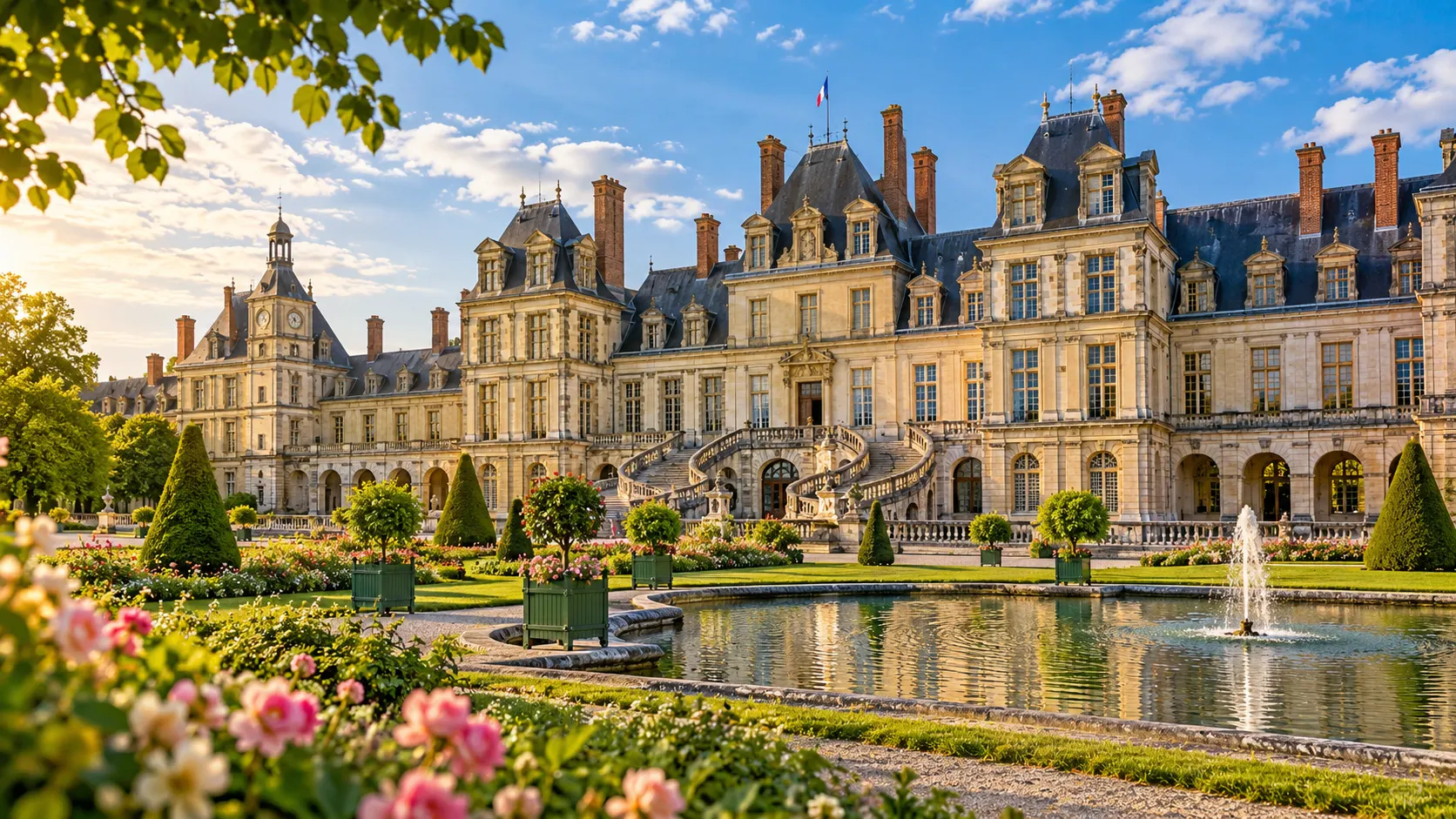
Fontainebleau is one of the most charming destinations near Paris, offering an unforgettable combination of royal history, beautiful gardens, peaceful forests, and traditional French culture. Located in the Seine-et-Marne department of France, this historic town attracts visitors who want to explore magnificent architecture and natural landscapes. Its convenient location makes it an excellent destination for a day trip or a relaxing weekend getaway.
This Fontainebleau France travel guide explores the best things to do and see, including the famous Château de Fontainebleau, its elegant gardens, the expansive Fontainebleau Forest, and nearby artistic villages. Whether you enjoy discovering French history, walking through scenic landscapes, or exploring charming towns, Fontainebleau provides memorable experiences throughout the year.
Planning a visit to Fontainebleau is relatively straightforward, especially for travelers staying in Paris. However, understanding transportation options, attraction opening hours, seasonal conditions, and nearby destinations can make your trip more enjoyable. This guide covers popular landmarks, cultural experiences, outdoor activities, accommodation options, and practical travel tips for discovering this remarkable French destination.
1. Explore the Magnificent Château de Fontainebleau
The Château de Fontainebleau is the town’s most famous attraction and one of France’s most important royal residences. Recognized as a UNESCO World Heritage Site, the palace reflects centuries of French history and architectural development. Generations of monarchs lived or stayed here, including Francis I, Henry IV, Louis XIV, and Napoleon Bonaparte.
Visitors can explore beautifully decorated rooms, magnificent galleries, royal apartments, and historic furnishings. The Gallery of Francis I is particularly famous for its Renaissance decorations and artistic details. The palace also contains spaces associated with Napoleon, offering fascinating insights into the imperial period and the changing lifestyles of French rulers.
Allow approximately two hours to explore the palace interiors comfortably, with additional time for the surrounding gardens. The château is generally closed on Tuesdays and certain public holidays, so checking visiting arrangements beforehand is important. Booking admission through official channels can help simplify your visit during busy tourist periods.
2. Walk Through the Beautiful Palace Gardens
The gardens surrounding Château de Fontainebleau are among the destination’s most attractive features. They combine formal French landscaping with peaceful walking paths, decorative water features, and extensive green spaces. Visitors can enjoy beautiful views of the palace while exploring outdoor areas that reflect different periods of French garden design.
The Grand Parterre is especially impressive because of its carefully organized layout and connection to the palace’s architectural grandeur. The English Garden offers a more naturalistic landscape with winding paths and mature trees. The Garden of Diana provides another peaceful setting, while the Carp Pond adds attractive waterside scenery.
The gardens are suitable for visitors who want to spend time outdoors without traveling far from the town center. General access to the gardens is free, although opening hours and weather-related restrictions may apply. Spring and summer bring lush greenery, while autumn creates beautiful seasonal colors that make photography particularly enjoyable.
3. Discover Fontainebleau Forest and Its Natural Beauty
Fontainebleau Forest is one of the most impressive natural attractions in the region, covering approximately 22,000 hectares of woodland and varied landscapes. It is famous for its sandstone formations, peaceful walking routes, and beautiful natural scenery. The forest provides a refreshing contrast to the historic architecture found in the town.
Visitors can explore established trails passing through oak and pine woodlands, rocky landscapes, and scenic viewpoints. The forest is particularly popular among walkers, photographers, and nature enthusiasts. Different sections offer varied environments, making it possible to enjoy a short nature walk or spend a longer period exploring selected routes.
The forest can be visited throughout the year, although weather conditions influence the experience. Spring offers fresh greenery, while autumn produces colorful foliage and cooler walking conditions. Stay on marked routes, respect protected habitats, and choose paths suitable for your abilities, especially in areas with uneven sandstone terrain.
4. Visit Barbizon, the Famous Village of Painters
Barbizon is a charming village located near Fontainebleau Forest, known for its important place in French art history. During the nineteenth century, the village attracted painters who sought inspiration from rural landscapes and natural light. Their artistic approach became associated with the Barbizon School, which influenced later developments in landscape painting.
Visitors can explore traditional streets, art galleries, and locations connected to famous artists such as Jean-François Millet and Théodore Rousseau. The village features attractive stone buildings and a peaceful atmosphere that reflects its artistic heritage. Museums and exhibitions provide opportunities to learn about painters who helped establish the village’s reputation.
Barbizon is an excellent addition to a Fontainebleau itinerary, particularly for travelers who appreciate art, architecture, and picturesque villages. Spending a few hours walking through the village can be rewarding without requiring an extensive schedule. Visitors should check local transportation options because connections may be less frequent than services between Fontainebleau and Paris.
5. Explore Fontainebleau’s Historic Town Center
Fontainebleau’s town center offers a welcoming mixture of historic architecture, local shops, cafés, and traditional French streets. Located close to the famous château, it provides an enjoyable area for sightseeing beyond the palace grounds. Its relatively compact layout makes exploring on foot convenient for many visitors.
Visitors can discover traditional storefronts, attractive public spaces, and buildings reflecting the town’s royal heritage. The Church of Saint-Louis is one of the recognizable historic landmarks near the center. Local markets and independent shops also provide opportunities to experience everyday life in this part of France.
Walking through central Fontainebleau is particularly pleasant when combined with a palace visit or a relaxed café break. The atmosphere feels different from central Paris, with quieter streets and a more leisurely pace. Allow time to explore smaller roads and discover local businesses rather than focusing exclusively on major tourist attractions.
6. Experience the Cour des Adieux and Napoleon’s History
The Cour des Adieux, or Farewell Courtyard, is one of the most historically significant areas of Château de Fontainebleau. It is particularly associated with Napoleon Bonaparte, who delivered his famous farewell to the Imperial Guard in April 1814. The courtyard connects visitors with a dramatic moment in French imperial history.
One of its most recognizable features is the horseshoe-shaped staircase leading toward the palace entrance. This architectural element creates a striking setting for photography and helps explain the courtyard’s historical importance. Visitors can appreciate the surrounding palace buildings while learning about the events associated with Napoleon’s abdication.
The courtyard is an essential stop for travelers interested in European history and royal architecture. It can be explored as part of a broader visit to the château and its exterior spaces. Taking time to understand the historical events adds meaning to the impressive architecture and surrounding palace complex.
7. Discover the Grand Canal and Scenic Park
The Grand Canal is an important feature of Fontainebleau’s palace landscape, extending approximately 1.2 kilometers through the surrounding park. Created during the reign of Henry IV, it reflects the importance of landscape design in French royal residences. The long waterway provides beautiful views and an attractive setting for leisurely walks.
Visitors can explore designated paths around the canal and enjoy the peaceful atmosphere of the surrounding park. Reflections of trees and changing seasonal colors create excellent opportunities for photography. The area is particularly pleasant for travelers who enjoy open green spaces and want a quieter experience after visiting the palace interiors.
The Grand Canal can be included easily in a longer walk through the château grounds. Comfortable footwear is useful because the park covers a substantial area. Visitors should follow designated paths, observe current access arrangements, and allow extra time if they want to appreciate the surrounding landscape without rushing.
8. Visit Moret-sur-Loing, a Picturesque Riverside Town
Moret-sur-Loing is a beautiful historic town near Fontainebleau, known for its medieval character, riverside scenery, and artistic connections. Located beside the Loing River, it offers charming streets, stone bridges, and traditional buildings. Its peaceful atmosphere makes it an appealing destination for travelers interested in smaller French towns.
The town is associated with Impressionist painter Alfred Sisley, who found inspiration in its riverside landscapes and surrounding countryside. Visitors can admire historical gates, picturesque bridges, and waterfront views that reflect scenes featured in nineteenth-century paintings. The combination of architectural heritage and natural beauty creates excellent photography opportunities.
Moret-sur-Loing is suitable for a relaxed half-day excursion from Fontainebleau. Travelers can combine a riverside walk with exploring the historic center and local cafés. The town is accessible through regional transportation connections, although service schedules and the distance between stations and attractions should be checked before visiting.
9. Explore the Forest’s Scenic Viewpoints
Fontainebleau Forest contains numerous viewpoints that showcase its unusual sandstone landscapes and extensive woodland scenery. These areas reveal rocky ridges, natural formations, and distant views across the surrounding trees. Visitors interested in landscape photography can discover beautiful compositions throughout different sections of the forest.
Tour Denecourt is one of the region’s recognizable historic observation structures, associated with the development of forest walking routes. Other designated viewpoints offer opportunities to appreciate the landscape from different elevations. Some routes pass through uneven terrain, so visitors should select walks appropriate for their mobility and experience.
Exploring forest viewpoints is especially rewarding during clear weather and the changing colors of autumn. Carry water, wear suitable walking shoes, and follow established trails to avoid damaging sensitive areas. Checking route conditions before departure helps ensure that the chosen viewpoint can be reached comfortably and safely.
10. Enjoy Fontainebleau’s Local Food and French Cafés
Fontainebleau offers enjoyable opportunities to experience French food through its restaurants, bakeries, markets, and neighborhood cafés. Visitors can discover freshly baked bread, pastries, regional specialties, and seasonal dishes. Exploring the local dining scene provides a pleasant way to experience the town beyond its historic landmarks and natural attractions.
A particularly well-known local specialty is Fontainebleau cheese, a light and creamy dairy preparation traditionally associated with the area. It is commonly served as a dessert or enjoyed with fruit and other accompaniments. Local bakeries also offer familiar French pastries and baked goods that make convenient options during sightseeing breaks.
Restaurants near the town center provide a range of traditional and contemporary dining experiences. Travelers may enjoy stopping for lunch between visiting the château and exploring nearby streets. Checking menus, seasonal opening hours, and reservation arrangements can make dining more convenient, especially during weekends and popular travel periods.
Best Time to Visit Fontainebleau, France
Spring is one of the most attractive seasons to visit Fontainebleau because the palace gardens become greener and outdoor temperatures are generally comfortable. April through June provides enjoyable conditions for exploring historic streets, walking through the park, and discovering nearby villages. Spring weather can still be unpredictable, so lightweight layers are useful.
Summer offers longer daylight hours and opportunities to spend more time exploring the forest and outdoor attractions. However, popular sites can attract larger visitor numbers, especially during school holidays and weekends. Early sightseeing visits may provide a quieter experience, particularly around the palace’s busiest areas.
Autumn is especially beautiful because the surrounding forest develops colorful seasonal foliage. September through November can provide attractive scenery and comfortable walking conditions, although rainfall becomes more frequent. Winter is generally quieter and may appeal to travelers interested in palace interiors, museums, and shorter outdoor walks.
How to Get to Fontainebleau From Paris
Fontainebleau is located approximately 70 kilometers southeast of central Paris, making it a convenient destination for a day trip. One of the easiest transportation options is traveling by regional train from Paris Gare de Lyon. Direct Transilien Line R services connect Paris with Fontainebleau-Avon station in approximately 40 minutes.
After arriving at Fontainebleau-Avon, visitors can use local buses or other available transportation to reach the town center and château. The station is not immediately beside the palace, so additional travel time should be included. Checking current schedules and ticketing information helps make the journey more convenient.
Driving from Paris is another option, particularly for travelers planning to explore surrounding villages or multiple forest destinations. Road travel generally takes around an hour or longer depending on traffic. Visitors should consider parking availability, travel costs, and whether public transportation might be more practical for their planned attractions.
How Many Days Do You Need in Fontainebleau?
A single day is enough to experience several of Fontainebleau’s major attractions, particularly when traveling from Paris. Visitors can explore the Château de Fontainebleau, walk through its gardens, and spend time in the historic town center. This makes Fontainebleau an appealing destination for travelers with limited time in the Paris region.
A two-day visit allows a more relaxed itinerary with opportunities to explore Fontainebleau Forest and nearby villages. You might spend the first day visiting royal landmarks and the second discovering Barbizon or Moret-sur-Loing. Having additional time makes it easier to enjoy the surrounding landscapes without rushing between attractions.
Travelers interested in nature, art, and traditional French towns may prefer a longer stay. Three days provides flexibility for forest walks, cultural experiences, and leisurely sightseeing. The ideal duration depends on your travel interests, accommodation preferences, and whether Fontainebleau is your main destination or part of a larger French vacation.
Where to Stay in Fontainebleau
Fontainebleau offers a selection of hotels, guesthouses, apartments, and other accommodation options suitable for different travel styles. Staying near the town center provides convenient access to restaurants, shops, and the château. This location is especially practical for visitors who prefer exploring historic attractions on foot.
Accommodation near the surrounding forest may appeal to travelers interested in peaceful natural scenery. Some nearby villages also provide charming places to stay, although transportation can be more limited. Choosing a property based on your planned activities helps reduce unnecessary travel and makes daily sightseeing more comfortable.
Accommodation prices vary depending on the season, location, property type, and local events. Booking ahead is useful during popular weekends and holidays when demand may increase. Before reserving, consider public transportation access, parking availability, cancellation policies, and the distance from the attractions you want to visit.
Practical Travel Tips for Visiting Fontainebleau
Planning ahead can help you enjoy Fontainebleau’s attractions without unnecessary delays. Check the château’s opening hours before visiting, particularly because it is usually closed on Tuesdays. Some palace rooms may have separate access arrangements, and certain guided experiences or exhibitions may require additional reservations.
Comfortable walking shoes are useful because exploring the palace grounds, historic streets, and surrounding forest can involve considerable walking. Carry drinking water and suitable weather protection when spending time outdoors. If you plan to explore forest trails, choose established routes and check local conditions before departure.
Fontainebleau is generally straightforward to explore, especially when focusing on central attractions. However, visitors planning excursions to nearby villages should research transportation connections in advance. Learning a few basic French phrases and respecting local customs can also make interactions with residents, shopkeepers, and tourism staff more enjoyable.
Conclusion
Fontainebleau is a remarkable French destination that combines royal history, magnificent architecture, beautiful gardens, and peaceful natural landscapes. The Château de Fontainebleau is its most famous attraction, while the surrounding forest offers opportunities to appreciate the region’s distinctive scenery. Nearby villages such as Barbizon and Moret-sur-Loing provide additional cultural experiences.
The town’s convenient location near Paris makes it suitable for both short day trips and relaxing weekend vacations. Spring and autumn are particularly appealing for outdoor sightseeing, although Fontainebleau can be visited throughout the year. Planning transportation, checking attraction opening hours, and choosing suitable activities can help create a comfortable itinerary.
Whether you enjoy exploring historic palaces, discovering traditional French villages, or walking through beautiful woodland landscapes, Fontainebleau has plenty to offer. Take time to appreciate its architecture, learn about its artistic heritage, and discover local cafés. With thoughtful planning, your visit can become a memorable part of your journey through France.
Frequently Asked Questions
Is Fontainebleau, France, Worth Visiting?
Yes, Fontainebleau is worth visiting for its magnificent royal château, extensive gardens, beautiful forest, and historic town center. It offers a rewarding combination of French history, cultural attractions, and natural scenery.
How Far Is Fontainebleau From Paris?
Fontainebleau is approximately 70 kilometers southeast of Paris. Direct trains from Paris Gare de Lyon to Fontainebleau-Avon usually take around 40 minutes, followed by local transportation to the château.
What Is Fontainebleau Famous For?
Fontainebleau is best known for its UNESCO-listed royal palace, historic connections to French monarchs and Napoleon, and expansive forest. The region is also associated with nineteenth-century landscape painters.
What Is the Best Time to Visit Fontainebleau?
April through June and September through October are excellent periods for sightseeing and forest walks. Spring offers attractive gardens, while autumn brings colorful foliage and beautiful woodland scenery.
Can You Visit Fontainebleau in One Day?
Yes, a day trip from Paris provides enough time to explore the château, palace gardens, and parts of the historic town center. Additional days are helpful for visiting the forest and nearby villages.