

Kenya is one of Africa’s most exciting travel destinations, offering incredible wildlife, breathtaking landscapes, beautiful beaches, and rich cultural traditions. From the famous Maasai Mara National Reserve to the peaceful shores of the Indian Ocean, the country provides memorable experiences for nature lovers, adventure seekers, and cultural travelers. Its diverse landscapes include open savannas, dramatic mountains, freshwater lakes, and tropical coastal environments.
The best things to do in Kenya go far beyond traditional wildlife safaris. Visitors can explore vibrant cities, discover historic towns, admire spectacular waterfalls, and learn about the country’s diverse communities. Whether you are planning your first African vacation or exploring new destinations, this Kenya travel guide highlights the top attractions, unique experiences, and helpful travel considerations for an unforgettable journey.
Experience a Wildlife Safari in Maasai Mara National Reserve
Maasai Mara National Reserve is one of Kenya’s most famous tourist attractions and an extraordinary destination for wildlife viewing. Located in southwestern Kenya, the reserve features wide grasslands, rolling hills, and river ecosystems supporting numerous animal species. Visitors may observe lions, elephants, giraffes, zebras, and other wildlife while exploring the landscape through professionally guided safari experiences.
The reserve is especially famous for the Great Migration, when large herds of wildebeest and zebras move between the Serengeti ecosystem and the Maasai Mara. Migration movements vary according to seasonal rainfall and grazing conditions, making exact wildlife sightings impossible to guarantee. This natural phenomenon remains one of the most fascinating experiences associated with Kenya’s safari tourism.
Wildlife viewing is enjoyable throughout much of the year, although seasonal conditions influence animal distribution and accessibility. Choosing experienced safari operators helps visitors understand animal behavior while maintaining appropriate distances from wildlife. A well-planned visit allows time to appreciate the natural environment without focusing exclusively on seeing a particular animal or event.
Visit Amboseli National Park and See Mount Kilimanjaro
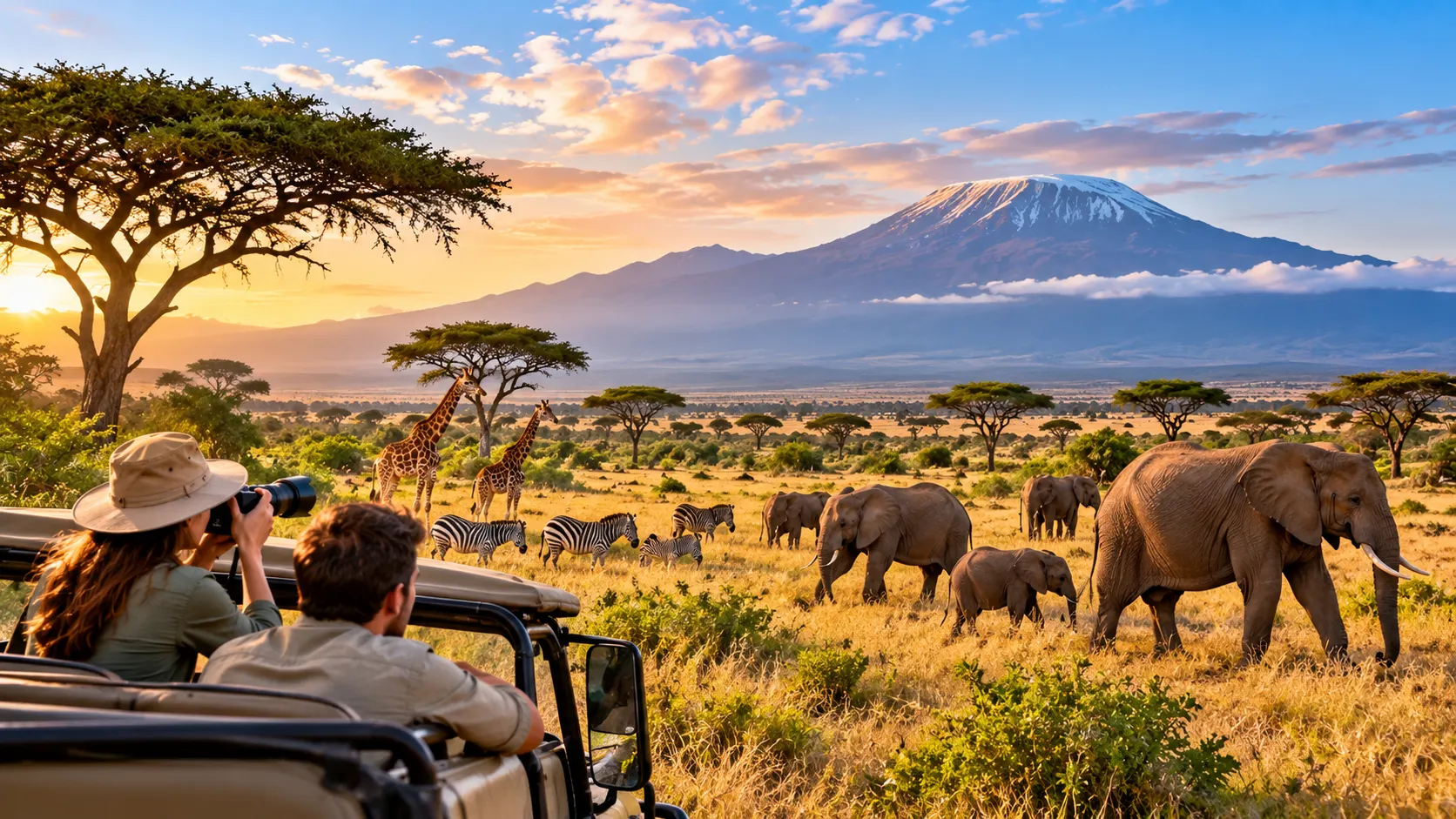
Amboseli National Park is another outstanding destination for travelers interested in Kenya’s wildlife and natural scenery. Located near the Tanzanian border, the park is particularly famous for its large elephant herds and beautiful views of Mount Kilimanjaro. Its mixture of open plains, seasonal wetlands, and acacia woodlands creates an attractive landscape for wildlife observation.
The park supports elephants, buffaloes, zebras, giraffes, and numerous bird species living within different habitats. Observation Hill offers panoramic views across the surrounding plains and wetland areas, making it a popular sightseeing location. On clear days, Mount Kilimanjaro provides a dramatic backdrop that contributes to Amboseli’s reputation for impressive landscape photography.
Morning visits can offer comfortable temperatures and better opportunities to appreciate the mountain before clouds develop. However, weather conditions and animal movements change, so sightings and clear mountain views cannot be guaranteed. Visitors should follow park regulations, respect wildlife, and choose guided activities that support responsible conservation practices.
Explore Nairobi’s Wildlife Parks and Cultural Attractions
Nairobi, the capital of Kenya, combines modern urban life with important wildlife and cultural attractions. It is often the starting point for international travelers before continuing to national parks or coastal destinations. The city contains museums, public spaces, restaurants, and conservation centers that introduce visitors to different aspects of Kenyan history and contemporary life.
Nairobi National Park is particularly remarkable because its protected wildlife habitats lie close to the city’s urban skyline. Visitors may observe giraffes, zebras, rhinos, and other animals during authorized safari drives, depending on conditions. The unusual contrast between natural grassland and distant city buildings makes this park one of Kenya’s most distinctive attractions.
Other notable destinations include the Nairobi National Museum and the Giraffe Centre, which focuses on conservation education. These attractions provide opportunities to learn about wildlife, history, and environmental protection. Spending a day or two in Nairobi allows travelers to appreciate the capital beyond its role as a transportation hub.
Discover Lake Nakuru National Park and Its Wildlife
Lake Nakuru National Park is a beautiful protected area within Kenya’s Great Rift Valley, known for its lake landscapes, wooded habitats, and diverse wildlife. The park offers a different environment from the expansive grasslands of Maasai Mara. Its combination of water, forests, and open areas makes it an appealing destination for wildlife photography.
The park is particularly important for rhino conservation and supports other animals such as buffaloes, giraffes, and antelopes. Lake Nakuru is also associated with flamingos, although their numbers change according to water conditions and food availability. Visitors may encounter various other bird species around the lake and surrounding vegetation.
Scenic viewpoints provide opportunities to admire the landscape from elevated positions, while authorized game drives introduce visitors to different parts of the park. Weather and road conditions can influence access to certain areas. Including Lake Nakuru in a Rift Valley itinerary offers an enjoyable combination of wildlife observation and natural scenery.
Enjoy Lake Naivasha and Hell’s Gate National Park
Lake Naivasha is a freshwater lake in the Great Rift Valley, surrounded by scenic landscapes and natural habitats. It attracts travelers interested in birdwatching, peaceful scenery, and lakeside relaxation. The area supports numerous bird species and other wildlife, making it a rewarding stop between Nairobi and Kenya’s western national parks.
Guided boat excursions can introduce visitors to the lake’s surrounding ecosystems and provide opportunities to observe aquatic birds and other animals. However, hippos and changing water conditions make it important to choose reputable operators and follow safety instructions. Visitors can also enjoy the atmosphere of nearby accommodations and established nature-viewing locations.
Hell’s Gate National Park is another attraction in the Naivasha area, known for its dramatic cliffs, geothermal landscapes, and open scenery. Designated sightseeing routes allow visitors to appreciate the park’s geological formations and wildlife habitats. Exploring these locations together provides a varied experience that combines freshwater environments with Kenya’s remarkable Rift Valley geology.
Explore the Beautiful Landscapes of Tsavo National Parks
Tsavo East and Tsavo West are two extensive national parks in southeastern Kenya, offering diverse wildlife habitats and impressive natural scenery. Together, they protect vast areas of savanna, woodland, rocky landscapes, and seasonal waterways. Their enormous size creates a different safari atmosphere from smaller reserves and allows visitors to appreciate Kenya’s varied ecosystems.
Tsavo East is particularly associated with wide open landscapes and elephants that often appear reddish because of the region’s distinctive soil. The park also supports lions, giraffes, buffaloes, and many other species. Its dramatic scenery and broad horizons make it especially attractive to travelers interested in classic African wilderness landscapes.
Tsavo West offers a different experience through rugged hills, volcanic features, and natural attractions such as Mzima Springs. The springs provide an important water source within the surrounding environment. Visiting both parks can reveal contrasting landscapes, although travel distances and road conditions make thoughtful itinerary planning essential.
Discover Mount Kenya’s Spectacular Mountain Scenery
Mount Kenya is Africa’s second-highest mountain and one of the country’s most impressive natural landmarks. Its snow-capped peaks, rugged valleys, alpine vegetation, and surrounding forests create a dramatic contrast with Kenya’s warmer lowland landscapes. The mountain and nearby protected areas attract visitors interested in geology, wildlife, and beautiful natural scenery.
Different parts of the Mount Kenya region offer scenic viewpoints, forest environments, and opportunities to learn about alpine ecosystems. Visitors can appreciate the landscape through suitable nature walks and established sightseeing areas without attempting demanding mountain ascents. The surrounding region also contains attractive lodges and communities connected to local tourism.
Mountain weather can change rapidly, with colder conditions at higher elevations and occasional periods of poor visibility. Anyone considering organized mountain excursions should evaluate the physical demands and rely on qualified guides for appropriate activities. Even a relaxed visit to the surrounding foothills can provide memorable views and an appreciation of Kenya’s mountain environment.
Relax on Diani Beach and Kenya’s Indian Ocean Coast
Diani Beach is one of Kenya’s most beautiful coastal destinations, famous for its soft white sand, palm trees, and clear turquoise water. Located south of Mombasa, the beach offers a peaceful contrast to the country’s inland safari landscapes. Its tropical surroundings make it attractive for travelers seeking relaxation and scenic coastal experiences.
Visitors can enjoy shoreline walks, beachside restaurants, and beautiful ocean views throughout the day. The surrounding coastal area also contains resorts, local communities, and natural attractions that add variety to the experience. Swimming conditions depend on tides, currents, and weather, so travelers should follow local guidance and use designated safe areas.
The Kenyan coast has a warm climate, although rainfall and humidity vary during the year. Planning around seasonal weather can make beach visits more comfortable. Combining a few days at Diani Beach with a wildlife safari is a popular way to experience both Kenya’s natural landscapes and its relaxing coastal atmosphere.
Visit Mombasa and Discover Its Historic Old Town
Mombasa is one of Kenya’s most important coastal cities, known for its maritime history, cultural diversity, and connections with Indian Ocean trade. The city reflects influences from African, Arab, Indian, and European communities that shaped its development. Historic architecture, busy markets, and traditional neighborhoods provide fascinating insights into the region’s heritage.
Fort Jesus is among Mombasa’s most important historical attractions and is recognized as a UNESCO World Heritage Site. Built by the Portuguese during the sixteenth century, the fortress played a significant role in regional maritime history. Visiting the museum and exploring the architectural remains can help travelers understand the city’s strategic importance.
Mombasa’s Old Town is another attractive area, featuring narrow streets, carved wooden doors, and traditional buildings. Its markets and local food culture introduce visitors to the city’s multicultural identity. Exploring with a knowledgeable local guide can provide historical context while encouraging respectful interactions with residents and businesses.
Explore Lamu Island and Swahili Cultural Heritage
Lamu Island is a fascinating destination off Kenya’s northern coast, celebrated for its historic architecture and distinctive Swahili cultural traditions. Lamu Old Town is a UNESCO World Heritage Site known for its narrow streets, traditional houses, and long history as an Indian Ocean trading settlement. Its preserved architectural character creates an atmosphere unlike Kenya’s larger cities.
Visitors can appreciate intricately carved doors, historic mosques, and buildings reflecting centuries of cultural exchange. Traditional wooden sailing vessels, known as dhows, also form part of the island’s maritime heritage. Walking through the historic streets provides an opportunity to understand the relationship between coastal communities, architecture, trade, and local traditions.
Lamu maintains strong cultural and religious customs, making respectful dress and behavior important when exploring local neighborhoods. Travel conditions in the wider region also require careful attention to current government advisories. Anyone considering a visit should verify security guidance, transport arrangements, and access restrictions before making travel plans.
Experience Kenya’s Food, Markets, and Cultural Traditions
Kenyan cuisine offers a rich variety of flavors influenced by regional ingredients, communities, and cooking traditions. Popular dishes include nyama choma, ugali, sukuma wiki, and different preparations of rice, beans, and vegetables. Exploring traditional food is an enjoyable way to learn about everyday life and the country’s diverse culinary heritage.
Local markets and restaurants provide opportunities to discover familiar Kenyan ingredients and regional specialties. Coastal cuisine often features coconut, spices, and seafood, while inland communities have their own distinctive dishes. Visitors can also enjoy Kenyan tea and learn about the country’s important agricultural traditions through suitable educational experiences.
Cultural activities may include visiting museums, community-led heritage centers, or workshops featuring traditional crafts and storytelling. Kenya is home to many different ethnic communities, each with its own customs and cultural identity. Choosing respectful, locally organized experiences helps visitors learn without treating living traditions as simple tourist performances.
Plan the Best Time and Travel Route for Kenya
Kenya can be visited throughout the year, but the ideal season depends on your preferred activities and destinations. The relatively dry periods from June to October and January to February are often attractive for wildlife viewing. However, rainfall patterns vary by region, and animal sightings depend on local environmental conditions.
For a first-time visit, a practical itinerary might combine Nairobi, one or two national parks, and several days on the coast. Travelers interested primarily in safaris may prefer Maasai Mara, Amboseli, or Lake Nakuru. Those seeking relaxation and cultural attractions can include destinations such as Diani Beach and historic Mombasa.
Before traveling, confirm your entry requirements, including whether Kenya’s electronic travel authorization applies to your nationality. Check current health recommendations, park fees, transport arrangements, and government travel advisories for the regions you intend to visit. Booking reputable guides and allowing realistic travel times can help make your Kenya vacation more comfortable and rewarding.
Conclusion
Kenya is an extraordinary destination that combines unforgettable wildlife experiences, beautiful landscapes, historic cities, and rich cultural traditions. From observing animals in Maasai Mara to admiring elephants near Mount Kilimanjaro, the country offers exceptional opportunities to appreciate nature. Its varied national parks and reserves make it particularly appealing to travelers interested in African wildlife.
Beyond safaris, Kenya has beautiful beaches, fascinating historical landmarks, scenic lakes, and mountain landscapes. Destinations such as Diani Beach, Mombasa, and Lamu reveal the country’s coastal heritage, while Nairobi introduces its modern cultural identity. Traditional food, local markets, and community-led experiences add depth to the overall journey.
The best things to do in Kenya depend on your interests, available time, and preferred travel style. Choosing a balanced itinerary allows you to enjoy the country’s highlights without rushing between distant destinations. With thoughtful preparation, responsible tourism, and respect for local communities and wildlife, a trip to Kenya can become a truly memorable experience.
FAQs
What are the best things to do in Kenya for first-time visitors?
Popular experiences include visiting Maasai Mara, exploring Amboseli National Park, discovering Nairobi’s attractions, and relaxing on Diani Beach. Lake Nakuru and the historic sites of Mombasa are also worthwhile destinations.
What is Kenya most famous for among tourists?
Kenya is famous for its wildlife safaris, the Great Migration, Maasai Mara, impressive elephant herds, and beautiful Indian Ocean beaches. Its diverse landscapes and cultural traditions also attract international travelers.
What is the best time of year to visit Kenya?
June to October is often popular for wildlife safaris, while January and February can also offer favorable conditions. The best time depends on your destination, rainfall patterns, and planned activities.
How many days do you need to explore Kenya?
Seven to ten days can cover several major attractions, including national parks and city sightseeing. A two-week itinerary provides more time to combine wildlife safaris, coastal destinations, and cultural experiences.
Is Kenya a good destination for family vacations?
Yes, Kenya offers educational wildlife experiences, beautiful beaches, museums, and scenic attractions suitable for families. Choosing age-appropriate activities, reputable operators, and suitable accommodation can make family trips more comfortable and enjoyable.