

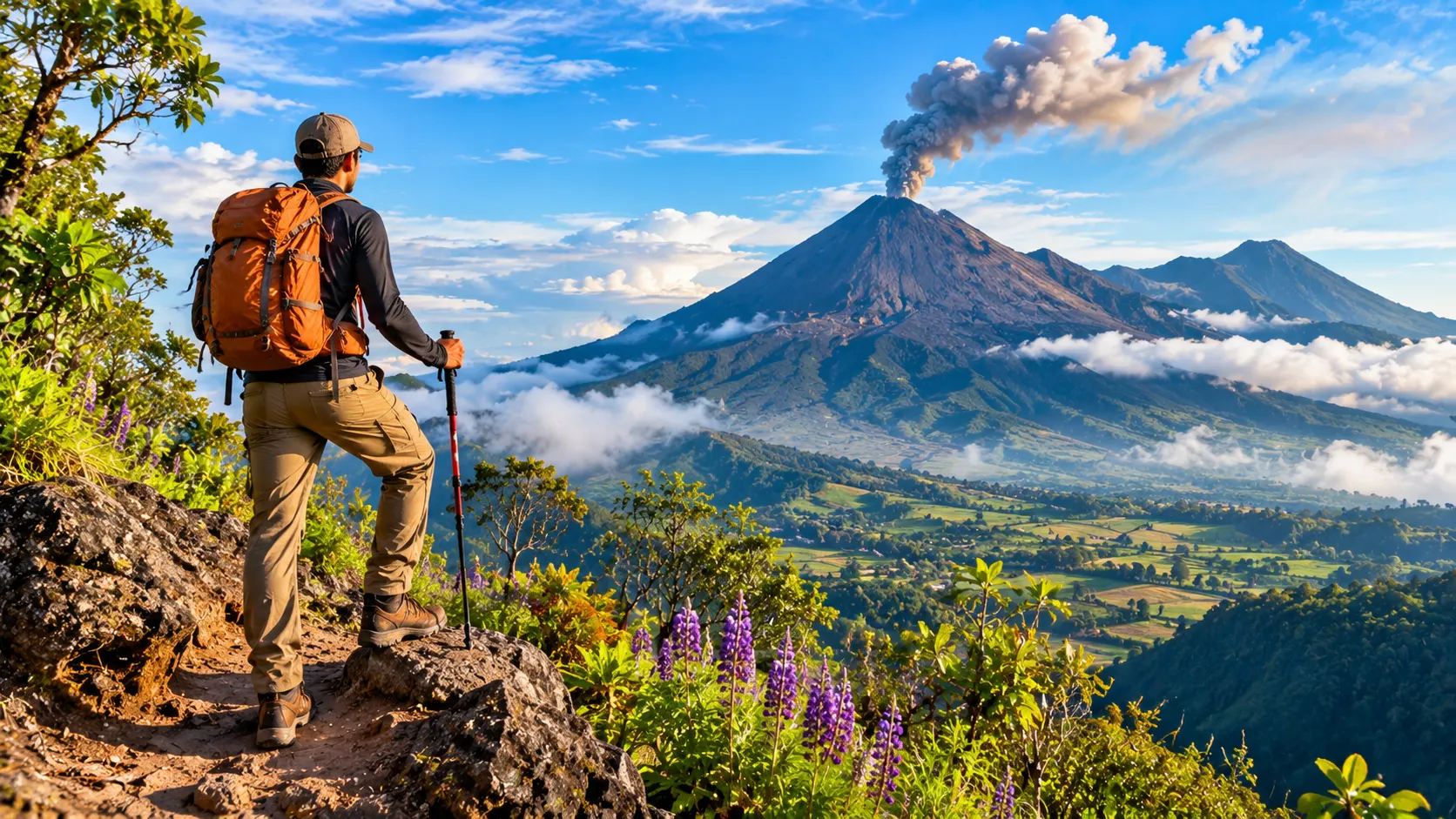
Guatemala’s towering volcanoes, green mountains, and colorful highland villages create some of Central America’s most remarkable landscapes. However, planning a volcanic sightseeing trip can feel overwhelming when you encounter unfamiliar destinations and unpredictable natural conditions. Choosing the right experiences requires careful research.
A Guatemala volcano hike is often associated with dramatic mountain scenery, volcanic rock formations, and breathtaking views. The country is home to numerous volcanoes, each with its own geological history and distinctive surroundings. However, active volcanic areas can present serious hazards that visitors should never underestimate.
Fortunately, Guatemala offers plenty of opportunities to appreciate its volcanic landscapes without approaching dangerous areas. From beautiful lakeside walking paths to public viewpoints and historic towns, there is something for every traveler. This guide explores Guatemala’s famous volcanoes, scenic destinations, and essential visiting tips.
Why Is Guatemala Famous for Its Volcanoes?
Many travelers associate Guatemala with ancient Maya ruins, colorful markets, and tropical forests. However, its volcanic landscapes are equally important to the country’s identity. Guatemala forms part of the Central American Volcanic Arc.
The movement of tectonic plates beneath the region has contributed to volcanic activity over millions of years. These geological processes have shaped mountains, fertile valleys, crater lakes, and surrounding ecosystems. Volcanic soil also supports important agricultural industries.
Some reasons Guatemala’s volcanoes attract international attention include:
- Dramatic mountain landscapes.
- Beautiful volcanic lakes.
- Unique geological formations.
- Fertile agricultural regions.
- Diverse mountain ecosystems.
- Remarkable photography opportunities.
- Significant scientific and cultural heritage.
Together, these features make Guatemala an interesting destination for travelers who appreciate nature, geology, and beautiful scenery.
7 Famous Volcanoes in Guatemala
Guatemala’s volcanoes differ considerably in elevation, geological activity, and surrounding landscapes. Some dominate the skyline near historic towns, while others overlook beautiful freshwater lakes. Understanding these differences helps visitors appreciate the country’s natural diversity.
The following seven volcanoes are among Guatemala’s most recognizable natural landmarks.
1. Acatenango Volcano
Acatenango is one of Guatemala’s most internationally recognized volcanoes. Standing approximately 3,976 meters above sea level, it dominates the landscape near Antigua Guatemala. Its impressive height and proximity to Fuego make it a notable geological landmark.
The surrounding environment features forests, mountainous terrain, and dramatic changes in vegetation. However, high altitude, cold temperatures, and nearby volcanic activity create serious challenges. Access restrictions may change depending on official hazard assessments.
Visitors can appreciate Acatenango’s impressive silhouette from authorized public areas around Antigua. Landscape photographs and educational exhibitions also provide opportunities to understand its geological significance without entering hazardous terrain.
2. Fuego Volcano
Volcán de Fuego is one of Guatemala’s most active volcanoes. Its name translates to Volcano of Fire, reflecting its frequent volcanic activity. It forms part of a volcanic complex near Acatenango.
Fuego can produce ash emissions, explosive activity, and dangerous volcanic flows. These natural processes demonstrate the powerful geological forces beneath Guatemala’s landscape. However, volcanic conditions can change rapidly and unpredictably.
Fuego is best appreciated through official observations, educational resources, and distant scenery outside restricted areas. Visitors should never approach active eruption zones or disregard instructions issued by volcanic monitoring authorities.
3. Pacaya Volcano
Pacaya is another famous active volcano located in southern Guatemala. Its volcanic landscape has been shaped by repeated eruptions and changing geological conditions. Dark volcanic rock creates a distinctive contrast with the surrounding vegetation.
The volcano provides scientists with valuable opportunities to study volcanic processes. Its history demonstrates how volcanic activity can transform landscapes over relatively short periods. However, volcanic gases and unstable ground remain significant concerns.
Visitors interested in Pacaya should consult official geological information and authorized visitor facilities. Viewing volcanic landscapes does not require approaching active lava, unstable rock formations, or restricted volcanic areas.
4. Agua Volcano
Agua Volcano is one of the most recognizable natural landmarks surrounding Antigua Guatemala. Its distinctive conical shape creates an impressive backdrop to the city’s historic buildings. Standing approximately 3,760 meters high, it dominates much of the surrounding skyline.
The volcano has considerable historical and cultural significance. Its surrounding landscapes have influenced local settlements, agriculture, and regional traditions. On clear days, its silhouette provides beautiful opportunities for photography.
Antigua’s public squares, gardens, and authorized viewpoints provide excellent opportunities to admire Agua Volcano. Visitors can combine volcanic sightseeing with historical exploration and traditional Guatemalan cuisine.
5. Tajumulco Volcano
Tajumulco Volcano is located in Guatemala’s western highlands. At approximately 4,220 meters above sea level, it is the highest mountain in Central America. Its impressive elevation makes it an important geographical landmark.
The surrounding region features mountainous landscapes, agricultural communities, and diverse natural environments. Temperatures and vegetation vary considerably according to elevation. These characteristics contribute to the area’s distinctive appearance.
Travelers can learn about Tajumulco through regional cultural attractions and geological resources. Its significance extends beyond its height, offering insights into Guatemala’s mountainous geography and natural history.
6. San Pedro Volcano
San Pedro Volcano rises above the beautiful waters of Lake Atitlán. Its green slopes and distinctive shape contribute to one of Guatemala’s most recognizable landscapes. The surrounding region combines natural beauty with rich Maya cultural traditions.
Nearby lakeside communities offer opportunities to experience traditional crafts, regional cuisine, and everyday local life. The volcano creates a beautiful backdrop to these settlements. Changing weather can produce different views throughout the day.
Visitors can admire San Pedro Volcano from established lakeside public areas. Exploring nearby towns provides an enjoyable combination of volcanic scenery and cultural experiences.
7. Atitlán Volcano
Atitlán Volcano is another prominent landmark overlooking Lake Atitlán. Its mountainous surroundings contribute to the region’s dramatic natural appearance. Alongside San Pedro and Tolimán, it forms part of the lake’s recognizable volcanic skyline.
The surrounding landscapes demonstrate the relationship between volcanic activity and Guatemala’s geography. Fertile soil supports agricultural activities, while mountain ecosystems contribute to regional biodiversity. Local communities maintain important cultural connections to these environments.
Visitors can enjoy views of Atitlán Volcano from established lakefront destinations. Photography, cultural tours, and educational experiences provide meaningful ways to appreciate the region.
Guatemala Volcanoes at a Glance
Choosing which volcanic landscapes to explore becomes easier when you understand their distinctive features. Some volcanoes are famous for their geological activity, while others create remarkable backgrounds for historic towns and lakes. Each offers a different perspective on Guatemala’s natural heritage.
| Volcano | Approximate Elevation | Notable Feature |
|---|---|---|
| Acatenango | 3,976 meters | Mountainous volcanic scenery |
| Fuego | 3,763 meters | Frequent volcanic activity |
| Pacaya | 2,552 meters | Volcanic rock formations |
| Agua | 3,760 meters | Antigua’s distinctive skyline |
| Tajumulco | 4,220 meters | Central America’s highest mountain |
| San Pedro | 3,020 meters | Lake Atitlán scenery |
| Atitlán | 3,535 meters | Dramatic lakeside landscapes |
Elevation alone does not determine whether a volcanic area is suitable for visitors. Geological activity, weather, terrain, and official access restrictions also matter.
Best Places to Enjoy Volcano Views in Guatemala
Many visitors assume that reaching a volcanic summit is necessary to experience beautiful mountain scenery. However, Guatemala offers impressive views from established public destinations. These locations combine natural beauty with convenient cultural and sightseeing experiences.
Cerro de la Cruz
Cerro de la Cruz is a well-known public viewpoint overlooking Antigua Guatemala. It provides a beautiful perspective of the city’s colorful buildings and Agua Volcano. The surrounding scenery makes it particularly appealing to photographers.
Visitors can appreciate the relationship between Antigua’s historic architecture and its mountainous environment. Clear weather often provides better visibility of the surrounding landscapes. Check local security guidance and park access information before visiting.
Lake Atitlán
Lake Atitlán is one of Guatemala’s most celebrated natural attractions. Surrounded by volcanoes and traditional communities, the lake provides remarkable mountain scenery. Its volcanic origins contribute to its distinctive geographical appearance.
Public waterfront areas provide excellent opportunities to admire the landscape. Visitors can also explore local markets, cultural centers, and traditional textile businesses. Each community offers a different perspective on life around the lake.
Panajachel
Panajachel is a popular lakeside town known for its beautiful views across Lake Atitlán. Its public waterfront provides opportunities to admire surrounding volcanoes without entering remote mountain areas. Local restaurants and shops add to the visitor experience.
The town also serves as a convenient base for exploring regional culture. Visitors can discover traditional crafts, locally produced textiles, and Guatemalan cuisine. Its combination of scenery and amenities makes it appealing to first-time visitors.
San Juan La Laguna
San Juan La Laguna is a colorful community situated beside Lake Atitlán. It is known for traditional weaving, local artwork, and beautiful mountain surroundings. Its cultural attractions provide a meaningful alternative to physically demanding excursions.
Visitors can learn about traditional textile production through community-run workshops. Public streets and established viewpoints offer attractive scenery. Supporting local businesses also contributes to responsible tourism.
Atitlán Nature Reserve
The Atitlán Nature Reserve near Panajachel offers opportunities to experience the region’s natural environment. Its facilities include forest walking areas, wildlife observation opportunities, and a butterfly sanctuary. The surrounding vegetation reflects the area’s biodiversity.
Visitors can explore maintained, low-risk walking areas where conditions and staff guidance permit. Educational experiences provide additional information about regional plants and wildlife. Check accessibility and available activities before arriving.
Antigua Guatemala Historic Center
Antigua Guatemala combines historic architecture with beautiful volcanic surroundings. Its cobblestone streets, colorful buildings, and public gardens create attractive sightseeing opportunities. Agua Volcano frequently appears in the background of the city’s streetscapes.
Popular cultural attractions include the Santa Catalina Arch, Central Park, and historic religious buildings. Visitors can also discover museums and traditional Guatemalan restaurants. The city provides a memorable experience for travelers interested in history and natural scenery.
What Is the Best Time to Visit Guatemala’s Volcanic Landscapes?
Unpredictable weather can affect visibility and outdoor sightseeing throughout Guatemala. Mountain clouds, rainfall, and changing temperatures may influence the appearance of volcanic landscapes. Understanding seasonal differences helps visitors create more flexible travel plans.
The dry season generally runs from November through April across much of the country. These months often provide better conditions for sightseeing and landscape photography. However, clear weather does not eliminate volcanic hazards.
| Travel Period | General Weather | Recommended Experiences |
|---|---|---|
| November to February | Generally drier and cooler | Cultural sightseeing and mountain views |
| March to April | Warmer and relatively dry | Photography and lakefront visits |
| May to August | Increasing rainfall | Museums and cultural attractions |
| September to October | Frequently wetter | Flexible sightseeing plans |
Weather conditions vary by region and elevation. Always review current forecasts and official volcanic advisories before traveling.
Understanding the Difficulty of Guatemala Volcano Hikes
Photographs of volcanic mountains do not always communicate how demanding their terrain can be. Steep slopes, loose volcanic material, high elevations, and unpredictable weather may create significant difficulties. Even experienced travelers can encounter unexpected challenges.
High-altitude environments contain less available oxygen than lower elevations. This can contribute to headaches, nausea, dizziness, and fatigue. Active volcanic areas introduce additional hazards that ordinary hiking experience cannot eliminate.
Factors affecting volcanic hiking difficulty include:
- Mountain elevation.
- Terrain stability.
- Weather conditions.
- Volcanic activity.
- Availability of emergency assistance.
- Individual health considerations.
- Official access restrictions.
Visitors should not assume that a popular excursion is automatically safe. Established public viewpoints and maintained nature areas provide alternatives for enjoying Guatemala’s landscapes.
Essential Safety Considerations for Volcanic Sightseeing
Volcanic activity is a natural process that can change without predictable warning. Ash, gases, falling volcanic material, and unstable terrain can affect surrounding areas. Attractive scenery should never distract visitors from these potential hazards.
Guatemala’s INSIVUMEH monitors volcanic and meteorological conditions. CONRED, the country’s disaster risk management authority, also publishes important safety information. Their official recommendations should take priority over social media posts or outdated travel blogs.
Keep these essential precautions in mind:
- Respect all official closures and restrictions.
- Avoid active eruption zones and volcanic craters.
- Follow current weather and emergency warnings.
- Never approach lava or volcanic gas emissions.
- Avoid isolated or unauthorized mountain areas.
- Travel with trusted companions and appropriate adult supervision for younger visitors.
- Leave affected areas when authorities instruct you to do so.
A memorable sightseeing experience should never require unnecessary exposure to volcanic hazards.
What Should You Pack for Guatemala Sightseeing?
Guatemala’s climate varies considerably between highland communities and lower-elevation destinations. Packing unsuitable clothing can make everyday sightseeing uncomfortable. Visitors should prepare for changing temperatures and occasional rainfall.
Lightweight clothing, comfortable shoes, and a waterproof jacket are useful for exploring established tourist areas. Sun protection is also important, particularly when spending time outdoors. Carrying essential personal items can make day trips more convenient.
Consider packing the following items:
- Comfortable walking shoes.
- Lightweight waterproof jacket.
- Warm clothing layers.
- Reusable water bottle.
- Sunscreen and sunglasses.
- Sun hat.
- Fully charged mobile phone.
- Personal medications.
- Important travel documents.
- Small everyday backpack.
Adjust your packing choices according to the season and planned sightseeing activities.
How Much Does a Guatemala Volcano-Themed Trip Cost?
Travel expenses can vary depending on accommodation, transportation, attractions, and the time of year. Visitors may underestimate the combined cost of traveling between Antigua and Lake Atitlán. Creating a realistic budget helps prevent unexpected financial difficulties.
Guatemala offers different accommodation options, including hotels, guesthouses, and family-run properties. Public attractions, historic neighborhoods, and established viewpoints may provide inexpensive sightseeing opportunities. Cultural workshops and organized experiences may involve additional charges.
| Expense | Budget-Friendly Approach |
|---|---|
| Accommodation | Compare established guesthouses |
| Transportation | Group nearby attractions together |
| Food | Explore reputable local restaurants |
| Sightseeing | Visit public viewpoints and parks |
| Cultural activities | Compare available workshop prices |
| Travel insurance | Review appropriate coverage before booking |
The official currency is the Guatemalan quetzal. Confirm prices before booking and include additional funds for unexpected expenses.
Where to Stay for Guatemala Volcano Views
Choosing accommodation without considering location can lead to unnecessary transportation expenses. Some properties provide beautiful scenery but limited access to essential services. Selecting a convenient destination helps simplify your vacation.
Antigua Guatemala is a practical base for travelers interested in colonial architecture and nearby volcanic scenery. Panajachel provides convenient access to Lake Atitlán’s waterfront and cultural attractions. San Juan La Laguna offers opportunities to experience traditional community life.
| Destination | Best For |
|---|---|
| Antigua Guatemala | Historic attractions and volcano views |
| Panajachel | Lakeside scenery and visitor amenities |
| San Juan La Laguna | Traditional crafts and local culture |
| Santiago Atitlán | Maya heritage and mountain landscapes |
| Quetzaltenango | Western highland culture |
Choose accommodation based on accessibility, security, transportation options, and your preferred travel experiences.
Best Photography Tips for Guatemala’s Volcanoes
Capturing beautiful volcanic scenery can become challenging when clouds cover surrounding mountains. Changing light and atmospheric conditions influence how landscapes appear in photographs. Patience often produces better results than rushing between destinations.
Public viewpoints provide opportunities to photograph volcanic silhouettes alongside traditional architecture and natural landscapes. Lakeside reflections can also create interesting compositions. Morning light may provide clearer scenery, although conditions remain unpredictable.
Follow these photography tips:
- Check weather and visibility forecasts.
- Photograph volcanoes from established public viewpoints.
- Include buildings or landscapes in your composition.
- Experiment with natural lighting.
- Respect private property.
- Ask permission before photographing local people.
- Remain within permitted visitor areas.
Beautiful photography does not require approaching dangerous terrain. Some of the most memorable images capture volcanic landscapes from a considerable distance.
How Many Days Do You Need to Explore Guatemala?
Trying to visit every volcanic region during a short vacation can become exhausting. Guatemala’s mountainous geography can increase transportation times between destinations. A focused itinerary allows visitors to enjoy each location without unnecessary pressure.
Five to seven days provides enough time for an introduction to Antigua and Lake Atitlán. Longer vacations allow additional opportunities to discover regional history and traditional communities. Flexible planning also accommodates changing weather conditions.
Suggested 5-Day Guatemala Sightseeing Itinerary
| Day | Recommended Experience |
|---|---|
| Day 1 | Explore Antigua’s historic city center |
| Day 2 | Visit public viewpoints and cultural attractions |
| Day 3 | Travel to Panajachel and enjoy lakefront scenery |
| Day 4 | Discover traditional crafts in San Juan La Laguna |
| Day 5 | Explore maintained nature areas and local markets |
Adjust your itinerary according to local travel advisories, weather conditions, and transportation availability.
Common Mistakes to Avoid When Visiting Guatemala’s Volcanoes
Excitement about Guatemala’s natural beauty can sometimes lead visitors to overlook important practical considerations. Relying on outdated information or assuming that all volcanic areas are accessible may create problems. Responsible preparation helps reduce unnecessary risks.
Research your destinations using official tourism and geological information. Confirm that visitor facilities are operating and that public areas remain accessible. Keep alternative cultural attractions available if outdoor conditions become unsuitable.
Avoid these common mistakes:
- Ignoring official volcanic activity warnings.
- Assuming clear weather means safe volcanic conditions.
- Entering restricted or unstable areas.
- Underestimating transportation requirements.
- Visiting unfamiliar isolated areas alone.
- Depending entirely on social media recommendations.
- Forgetting to check attraction opening hours.
- Creating an overly crowded itinerary.
Thoughtful decisions allow visitors to appreciate Guatemala’s remarkable landscapes while respecting their natural power.
Conclusion
A Guatemala volcano hike may bring to mind towering mountains, dramatic landscapes, and remarkable natural scenery. From Acatenango and Agua to the volcanoes surrounding Lake Atitlán, each landmark contributes to Guatemala’s distinctive geographical identity. The country’s volcanic heritage also influences its agriculture, culture, and local communities.
However, appreciating these landscapes does not require entering hazardous volcanic areas. Public viewpoints, historic towns, maintained nature reserves, and lakeside attractions provide rewarding alternatives. Following official safety guidance remains essential throughout your visit.
Start by selecting the volcanic landscapes and cultural destinations that interest you most. Check current travel advisories, organize your transportation, and create a flexible sightseeing itinerary. With thoughtful preparation, Guatemala can provide a memorable experience filled with natural beauty and meaningful cultural discoveries.
Frequently Asked Questions
What is the most famous volcano in Guatemala?
Acatenango, Fuego, and Pacaya are among Guatemala’s most famous volcanoes. Agua Volcano is also widely recognized because of its distinctive appearance overlooking the historic city of Antigua Guatemala.
Can beginners enjoy Guatemala’s volcanic landscapes?
Yes, beginners can enjoy volcanic scenery from established public viewpoints, lakeside communities, and maintained nature reserves. These destinations provide beautiful experiences without requiring demanding mountain climbs.
What is the best month to see volcanoes in Guatemala?
December, January, and February generally provide favorable conditions for landscape sightseeing during Guatemala’s dry season. However, mountain visibility varies, and volcanic safety warnings apply throughout the year.
Is Acatenango Volcano dangerous?
Acatenango presents risks associated with high altitude, changing weather, difficult terrain, and activity from neighboring Fuego Volcano. Visitors should respect official restrictions and avoid hazardous areas.
Can you see Guatemala’s volcanoes without hiking?
Yes, Antigua Guatemala, Cerro de la Cruz, Panajachel, and Lake Atitlán provide impressive volcanic views without requiring summit hikes. These destinations also offer valuable cultural and historical experiences.