

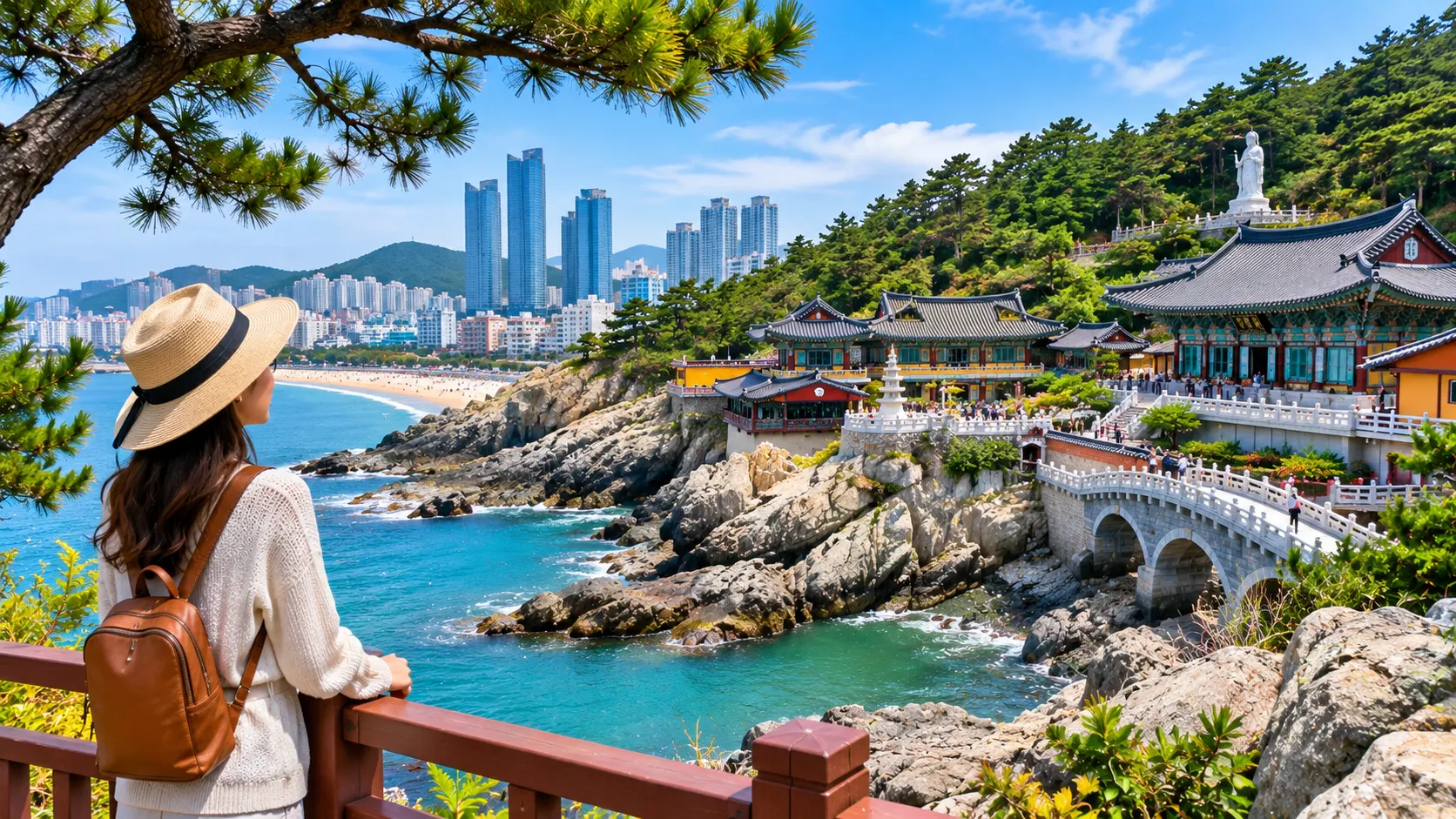
Busan often gets added to a South Korean vacation as a short stop after Seoul. However, once you start researching its beaches, colorful neighborhoods, coastal temples, and traditional markets, a single day suddenly feels insufficient. Choosing which attractions deserve your time becomes the biggest challenge.
The best things to do in Busan combine natural beauty, cultural experiences, delicious food, and modern entertainment. South Korea’s second-largest city offers a refreshing balance between urban excitement and peaceful coastal surroundings. There is something interesting around almost every corner.
Whether you enjoy photography, history, shopping, or relaxing beside the sea, Busan has plenty to explore. This guide covers famous attractions, local favorites, hidden gems, and practical travel tips. It will help you plan a memorable trip without wasting time on unnecessary travel.
Why Is Busan Worth Visiting?
Many travelers spend most of their South Korean vacation exploring Seoul. However, visiting only the capital means missing a different side of Korean life. Busan introduces visitors to coastal landscapes, fishing traditions, and distinctive regional culture.
The city combines modern skyscrapers with historic temples, traditional markets, and mountainside neighborhoods. You can explore colorful streets in the morning and enjoy beautiful ocean views in the afternoon. Its diverse attractions make it suitable for different travel preferences.
Busan also has an extensive public transportation network that makes sightseeing relatively convenient. Visitors can explore several major attractions without renting a vehicle. Affordable local restaurants and free public attractions also provide opportunities to manage travel expenses.
15 Best Things to Do in Busan
Busan is a large city, and its attractions are spread across several districts. Trying to visit everything within a short vacation can make your experience unnecessarily tiring. Start with these fifteen destinations and prioritize the ones that interest you most.
1. Relax at Haeundae Beach
Haeundae Beach is one of South Korea’s most recognizable coastal attractions. Its sandy shoreline, modern skyline, and surrounding restaurants create a lively atmosphere. It is an excellent starting point for first-time visitors exploring eastern Busan.
Spend time walking along the waterfront, enjoying coastal scenery, or relaxing at a nearby café. The surrounding neighborhood also provides shopping and entertainment opportunities. Evening visits offer a different atmosphere as the city lights illuminate the coastline.
Summer weekends can become particularly crowded, so consider visiting earlier in the day. Bring sunscreen and drinking water during warmer weather. Check local beach conditions and swimming restrictions before entering the water.
2. Explore Gamcheon Culture Village
Gamcheon Culture Village looks noticeably different from Busan’s modern commercial districts. Colorful houses cover the hillside, while narrow alleys feature murals, sculptures, and independent shops. The neighborhood developed from communities established by Korean War refugees.
Explore designated visitor routes and discover artistic installations throughout the village. The Little Prince sculpture is a particularly recognizable photography spot. Small galleries and cafés provide additional opportunities to appreciate the neighborhood.
Remember that Gamcheon remains a residential community rather than a dedicated theme park. Keep noise levels low and avoid entering private properties. Comfortable walking shoes are useful because many streets contain steep slopes and stairs.
3. Visit Haedong Yonggungsa Temple
Most traditional Korean Buddhist temples are located in mountainous areas. Haedong Yonggungsa Temple stands beside the ocean, creating a distinctive combination of architecture and coastal scenery. Its location makes it one of Busan’s most memorable cultural attractions.
Visitors can admire traditional buildings, decorative statues, and beautiful sea views. The sound of waves adds to the atmosphere of the surrounding temple grounds. Early morning visits often provide quieter conditions for appreciating the architecture.
Wear respectful clothing and follow instructions concerning photography and access. Several sections involve stairs, which may be challenging for visitors with limited mobility. Allow enough time to explore without interrupting religious activities.
4. Ride the Haeundae Sky Capsule
Finding unique sightseeing experiences can make a vacation more memorable. The Haeundae Sky Capsule travels along an elevated coastal railway between Mipo and Cheongsapo. Its colorful cabins provide attractive views of eastern Busan.
Passengers can enjoy ocean scenery, rocky shorelines, and coastal neighborhoods throughout the journey. The compact cabins accommodate up to four people. The experience is particularly appealing to visitors interested in photography and relaxed sightseeing.
Reserve tickets in advance, especially during weekends and popular travel seasons. The nearby Haeundae Beach Train provides another way to appreciate the coastline. Compare both experiences before choosing the option that suits your itinerary.
5. Watch the Sunset at Gwangalli Beach
Not every memorable attraction requires purchasing an admission ticket. Gwangalli Beach offers impressive views of Gwangan Bridge, one of Busan’s most recognizable landmarks. The surrounding waterfront becomes particularly attractive after sunset.
Spend the late afternoon enjoying the shoreline before watching the bridge illuminate. Beachfront cafés and restaurants provide additional places to appreciate the scenery. The changing colors across the water create excellent photography opportunities.
Gwangalli also hosts scheduled drone light shows on selected evenings. Check the official event schedule because weather and other circumstances can affect performances. Arrive early if you want a comfortable viewing location.
6. Discover Jagalchi Fish Market
Busan’s identity as a major port city becomes particularly noticeable at Jagalchi Market. This famous seafood market features numerous vendors selling fresh and dried seafood. Its busy atmosphere provides insight into the city’s fishing traditions.
Explore the market and observe the variety of seafood available. Restaurants within and around the market prepare traditional Korean seafood dishes. Even visitors who do not eat seafood can appreciate its cultural significance.
Confirm prices before placing food orders, including any additional preparation charges. Ask about ingredients if you have dietary restrictions or allergies. Visit respectfully because the market remains an active commercial environment.
7. Experience the Street Food at BIFF Square
Finding authentic local food can be difficult when you are unfamiliar with Korean cuisine. BIFF Square in Nampo-dong provides an accessible introduction to Busan’s street food culture. Its name reflects the city’s internationally recognized film festival.
Explore food stalls selling fish cakes, rice cakes, and sweet Korean pancakes. Ssiat hotteok, a pancake filled with sugar and seeds, is particularly associated with Busan. The surrounding streets also feature clothing stores and entertainment venues.
Carry some Korean won because payment options vary between vendors. Purchase small portions if you want to sample several dishes. Check ingredients and preparation methods according to your dietary requirements.
8. Take in the Coastal Views at Taejongdae Park
Travelers seeking natural scenery away from busy commercial streets should consider Taejongdae Park. Located on Yeongdo Island, this coastal attraction features forested landscapes, rocky cliffs, and expansive ocean views. Its surroundings provide a refreshing change from central Busan.
Explore designated viewpoints and appreciate the scenery around Yeongdo Lighthouse. The Danubi sightseeing train operates within the park when conditions permit. It provides a convenient option for visitors who prefer less walking.
Check operating schedules and weather conditions before traveling. Strong winds and maintenance work may affect certain facilities. Remain within established viewing areas and respect all coastal safety restrictions.
9. Visit Songdo Beach and Marine Cable Car
Songdo Beach combines historical significance with modern sightseeing attractions. Opened in 1913, it is considered one of Korea’s earliest public beaches. Today, its surrounding area provides several opportunities for coastal sightseeing.
The Busan Air Cruise cable car travels above the water between Songdo Beach and Amnam Park. Passengers can enjoy elevated views of the surrounding coastline. The nearby Songdo Cloud Walk offers another perspective of the sea.
Cable car operations may be affected by strong winds and maintenance requirements. Check ticket availability and operating conditions before visiting. Allow additional time to explore the beachfront surroundings.
10. Explore Huinnyeoul Culture Village
Many travelers visit Gamcheon Culture Village without discovering Busan’s other artistic neighborhoods. Huinnyeoul Culture Village on Yeongdo Island offers narrow coastal streets, artistic spaces, and beautiful ocean views. Its relaxed setting makes it appealing to photographers.
Explore designated village streets and discover cafés overlooking the coastline. The surrounding architecture reflects the area’s history and geographical character. Small artistic details add interest to an otherwise simple neighborhood walk.
Respect residents by keeping noise levels low and avoiding private entrances. Some routes contain stairs and uneven surfaces. Choose accessible public areas according to your comfort and mobility.
11. Discover Beomeosa Temple
Busan’s coastal attractions sometimes overshadow its historical mountain temples. Beomeosa Temple, established in 678 during the Silla period, provides an important connection to Korean Buddhist history. It sits near the forested slopes of Geumjeongsan.
Visitors can admire traditional wooden buildings, decorative architecture, and peaceful natural surroundings. The temple offers a different experience from the seaside setting of Haedong Yonggungsa. Its cultural significance makes it worth including in a longer vacation.
Allow sufficient transportation time because the temple lies north of central Busan. Follow local etiquette and respect religious ceremonies. Check visitor arrangements before exploring individual buildings.
12. Walk Around Dongbaekseom Island
Crowded attractions can make finding peaceful outdoor spaces difficult. Dongbaekseom, located beside Haeundae Beach, provides pleasant coastal paths and attractive woodland scenery. Despite its name, the former island is now connected to the mainland.
Explore designated walking paths and appreciate views of the surrounding coastline. Nurimaru APEC House is another notable attraction in the area. The combination of trees and ocean scenery creates attractive photography opportunities.
Visit during the morning or late afternoon for softer natural light. Combine Dongbaekseom with Haeundae Beach to reduce unnecessary travel. Check path accessibility before setting out.
13. Shop at Gukje Market
Shopping exclusively in modern malls can mean missing Busan’s traditional commercial culture. Gukje Market features numerous vendors selling clothing, household items, souvenirs, and everyday products. Its history is closely connected to Korea’s post-liberation and postwar development.
Explore the market’s interconnected streets and discover independent businesses. Nearby Bupyeong Kkangtong Market provides additional opportunities to sample local food. Both destinations are conveniently located near other Nampo-dong attractions.
Compare prices before purchasing souvenirs and check product quality carefully. Carry cash for smaller purchases when necessary. Leave enough time to explore rather than rushing between shops.
14. Enjoy the Sunset at Dadaepo Beach
Travelers searching for hidden gems in Busan should consider its southwestern coastline. Dadaepo Beach features a broad shoreline and attractive sunset views. Its location near the Nakdong River estuary gives it a different character from Haeundae.
Enjoy a peaceful beachfront walk or explore designated paths around the surrounding wetlands. The Dadaepo Sunset Fountain of Dreams provides additional entertainment when operating. Seasonal schedules influence fountain performances and availability.
Check sunset times and public transportation schedules before traveling. Allow extra journey time because Dadaepo is farther from eastern Busan. Bring suitable clothing because coastal temperatures can become cooler in the evening.
15. Admire City Views from Busan Tower
Seeing Busan from ground level does not always reveal the scale of the city. Busan Tower, located within Yongdusan Park, provides elevated views of surrounding neighborhoods and the harbor. Its central location makes it easy to combine with traditional market visits.
The observatory offers opportunities to photograph buildings, ships, and surrounding mountain landscapes. Yongdusan Park also provides public spaces for relaxed sightseeing. Clear weather generally offers better visibility across the city.
Check observatory admission prices and opening hours before visiting. Consider going during late afternoon to appreciate changing natural light. Combine the attraction with nearby BIFF Square and Gukje Market.
Best Free Things to Do in Busan
Vacation expenses can increase quickly when every activity requires an admission ticket. Fortunately, Busan offers numerous attractions that visitors can enjoy without paying entrance fees. Combining free experiences with selected paid activities helps manage travel expenses.
Consider these budget-friendly activities:
- Explore Gamcheon Culture Village.
- Walk along Haeundae Beach.
- Watch Gwangan Bridge illuminate at night.
- Visit Haedong Yonggungsa Temple.
- Discover traditional markets in Nampo-dong.
- Explore Dongbaekseom’s public paths.
- Enjoy coastal scenery at Huinnyeoul Culture Village.
- Watch the sunset at Dadaepo Beach.
Transportation, food, parking, and optional experiences may still involve additional charges. Plan attractions within the same district to reduce unnecessary travel costs. Spending less on sightseeing can leave more room for accommodation and local cuisine.
Best Local Foods to Try in Busan
Visiting Busan without exploring its regional cuisine means missing an important part of the city’s identity. Local dishes reflect maritime traditions, historical influences, and everyday Korean food culture. Traditional markets provide excellent opportunities to discover regional specialties.
| Local Food | Description |
|---|---|
| Ssiat hotteok | Sweet pancake filled with sugar and seeds |
| Eomuk | Korean fish cakes |
| Milmyeon | Chilled wheat noodles served with broth or spicy sauce |
| Bibim dangmyeon | Glass noodles served with vegetables and seasoning |
| Dwaeji gukbap | Traditional pork and rice soup |
| Grilled seafood | Seafood prepared using various cooking methods |
| Pat bingsu | Shaved ice dessert with sweet red beans |
Ask about ingredients before ordering because recipes may contain pork, seafood, meat broth, or other ingredients unsuitable for certain dietary requirements. Travelers requiring halal or vegetarian food should confirm preparation methods directly with restaurants.
What Is the Best Time to Visit Busan?
Choosing the right travel season can influence your sightseeing experience. Busan experiences noticeable seasonal changes, from warm summers to cold winters. Different months provide different opportunities for outdoor activities.
| Season | General Conditions | Best Experiences |
|---|---|---|
| Spring | Mild temperatures and seasonal flowers | Temples and cultural villages |
| Summer | Hot, humid weather and busy beaches | Beach vacations and coastal sightseeing |
| Autumn | Cooler temperatures and colorful foliage | Photography and outdoor attractions |
| Winter | Cold temperatures and fewer beach crowds | Markets and city sightseeing |
April, May, September, and October are generally appealing months for sightseeing. Summer rainfall and occasional tropical storms can affect outdoor plans. Check weather forecasts and seasonal attraction schedules before traveling.
Where to Stay in Busan
Choosing accommodation far from your preferred attractions can increase daily travel time. Busan’s neighborhoods offer different advantages depending on your interests. Selecting the right location makes sightseeing more convenient.
| Area | Best For |
|---|---|
| Haeundae | Beach vacations and eastern Busan attractions |
| Gwangalli | Coastal scenery and evening views |
| Seomyeon | Central transportation connections and shopping |
| Nampo-dong | Traditional markets and historical attractions |
| Busan Station | Convenient arrival and departure by train |
First-time visitors may prefer Seomyeon because of its central metro connections. Haeundae is particularly useful for travelers prioritizing coastal attractions. Choose accommodation according to your planned activities rather than price alone.
How to Get Around Busan
Busan’s size may surprise visitors who expect its attractions to be within walking distance. Traveling between distant neighborhoods can consume a significant portion of the day. Understanding transportation options helps you create a realistic itinerary.
The Busan Metro connects many important commercial districts and tourist areas. Public buses provide access to destinations beyond the metro network. A rechargeable Tmoney transportation card makes paying for many journeys more convenient.
Use navigation applications such as Naver Map to plan public transportation routes. Taxis provide another option when carrying luggage or visiting less accessible destinations. Group nearby attractions together to reduce repeated journeys across the city.
How to Spend Three Days in Busan
Three days provides a useful introduction to Busan without requiring an overly complicated itinerary. Organizing activities by geographical area helps reduce transportation time. Focus on a mixture of cultural experiences, coastal attractions, and local food.
| Day | Recommended Activities |
|---|---|
| Day 1 | Gamcheon Culture Village, Jagalchi Market, BIFF Square, and Gukje Market |
| Day 2 | Haedong Yonggungsa Temple, Haeundae Sky Capsule, Haeundae Beach, and Gwangalli Beach |
| Day 3 | Huinnyeoul Culture Village and Taejongdae Park |
Reserve popular ticketed attractions before finalizing your daily plans. If you have additional days, consider visiting Beomeosa Temple, Songdo Beach, and Dadaepo Beach. Avoid adding too many distant attractions to a single afternoon.
Essential Travel Tips for Visiting Busan
Unfamiliar transportation systems, changing weather, and language differences can create unnecessary travel frustrations. Fortunately, some basic preparation makes exploring Busan much easier. A flexible approach also helps when attractions become crowded.
Keep these practical Busan travel tips in mind:
- Purchase a rechargeable transportation card.
- Download Naver Map and a translation application.
- Carry some Korean won for smaller purchases.
- Reserve Sky Capsule tickets early.
- Wear comfortable shoes for hills and stairs.
- Check attraction schedules and weather forecasts.
- Respect local customs and religious sites.
- Confirm food ingredients when necessary.
- Group attractions according to their locations.
- Keep some free time for unexpected discoveries.
Traveling between Seoul and Busan is convenient using KTX high-speed trains. Gimhae International Airport also serves the region and connects with local public transportation. Compare your arrival options before arranging accommodation.
Conclusion
The best things to do in Busan combine beautiful beaches, historical temples, traditional markets, and impressive coastal scenery. From the colorful houses of Gamcheon Culture Village to the illuminated views of Gwangan Bridge, the city offers experiences that go beyond ordinary sightseeing.
You do not need to visit every famous attraction to enjoy a memorable vacation. Exploring local neighborhoods, tasting regional dishes, and spending time beside the ocean can be equally rewarding. Choosing nearby attractions helps create a more relaxed travel experience.
Start planning your Busan vacation by selecting five must-visit destinations and two lesser-known attractions. Arrange your accommodation around these locations and reserve popular activities beforehand. Give yourself enough time to discover the city’s distinctive culture and coastal charm.
Frequently Asked Questions
What are the best things to do in Busan for first-time visitors?
First-time visitors should explore Haeundae Beach, Gamcheon Culture Village, Haedong Yonggungsa Temple, Jagalchi Market, and Gwangalli Beach. These attractions provide an excellent introduction to Busan’s scenery, history, food, and culture.
How many days are enough to explore Busan?
Three to four days provide enough time to experience several major attractions. Five days allows additional opportunities to discover mountain temples, quieter beaches, traditional neighborhoods, and regional cuisine.
Is Busan cheaper than Seoul?
Busan may offer more affordable accommodation and dining options in certain neighborhoods. However, total travel expenses depend on the season, accommodation preferences, transportation choices, and planned activities.
What is Busan most famous for?
Busan is famous for its beaches, seafood markets, colorful cultural villages, seaside temples, international film festival, and impressive coastal scenery. It is also South Korea’s largest port city.
Is Busan worth visiting during winter?
Yes, winter offers opportunities to explore traditional markets, cultural attractions, temples, and coastal viewpoints with fewer beach crowds. Pack warm clothing and check outdoor attraction schedules before traveling.