

Discover the Best Places to Visit in Greece
Greece is one of Europe’s most beautiful travel destinations, offering clear blue waters, historic landmarks, traditional villages, and impressive mountain scenery. From the famous whitewashed buildings of Santorini to the ancient ruins of Athens, every destination offers something different. Exploring the best places to visit in Greece can help you create an unforgettable Mediterranean vacation.
The country is home to beautiful islands, lively cities, peaceful coastal towns, and remarkable archaeological sites. Visitors can spend their days discovering ancient history, enjoying local food, relaxing on sandy beaches, and exploring charming neighborhoods. Greece also offers several lesser-known destinations for travelers who prefer peaceful surroundings and authentic cultural experiences away from busy tourist areas.
Choosing where to go in Greece depends on your interests, travel budget, and available vacation time. Some destinations are ideal for family holidays, while others appeal to history enthusiasts, photographers, and nature lovers. Planning your journey in advance allows you to experience the country’s diverse landscapes, welcoming communities, and rich cultural heritage without feeling rushed.
Athens: Discover Ancient History and Modern Culture
Athens, the capital of Greece, is an excellent starting point for travelers interested in history, architecture, and cultural experiences. The city is home to the famous Acropolis, where the Parthenon stands above the surrounding urban landscape. These ancient landmarks provide visitors with an opportunity to learn about classical Greek civilization and its lasting influence.
The Plaka neighborhood is another popular attraction known for its narrow streets, traditional buildings, and welcoming local restaurants. Visitors can explore small shops, discover interesting museums, and enjoy views of historic landmarks throughout the surrounding area. Monastiraki Square also provides a lively atmosphere with markets, historic architecture, and convenient access to several important attractions.
Athens offers much more than archaeological sites because its modern neighborhoods feature art galleries, public gardens, and interesting dining experiences. The Acropolis Museum and National Archaeological Museum are particularly worthwhile for visitors who want to understand Greek history. Spending two or three days in Athens provides sufficient time to discover many of its major attractions.
Santorini: Enjoy Stunning Sunsets and Beautiful Villages
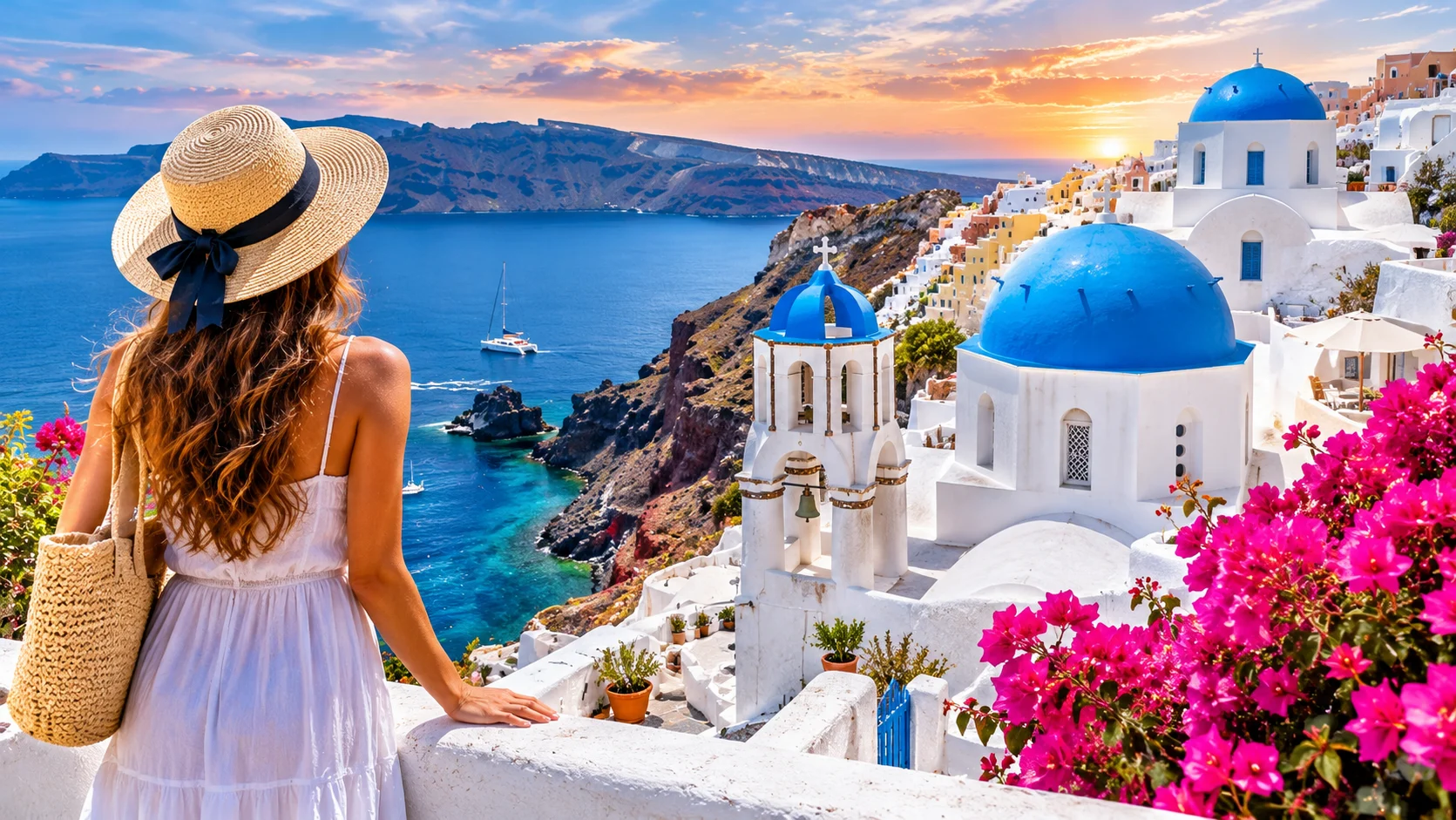
Santorini is among the most recognizable Greek islands, famous for its whitewashed buildings, blue-domed churches, and remarkable sea views. Its volcanic landscape creates a distinctive setting that attracts visitors from around the world. The island’s elevated villages overlook a large volcanic caldera, providing some of the most memorable scenery found anywhere in the Mediterranean.
Oia is particularly famous for its beautiful architecture and impressive sunset views over the Aegean Sea. Fira, the island’s capital, offers attractive streets, museums, restaurants, and panoramic viewpoints overlooking the surrounding landscape. Visitors can also explore quieter villages such as Pyrgos, where traditional buildings and peaceful surroundings provide a different perspective of island life.
Santorini features several interesting beaches, including the dark volcanic shores of Kamari and Perissa. The archaeological site of Akrotiri offers another fascinating experience for travelers interested in the island’s ancient history. Visiting during spring or early autumn may provide comfortable temperatures and fewer crowds than those experienced during the busiest summer travel months.
Crete: Explore Beautiful Beaches and Historic Towns
Crete is the largest Greek island and offers an impressive combination of beaches, mountain landscapes, historic attractions, and traditional communities. Its considerable size makes it an excellent destination for travelers who want to experience different environments during one vacation. From coastal cities to peaceful countryside villages, Crete provides numerous opportunities for sightseeing and cultural discovery.
Chania is one of the island’s most beautiful cities, featuring a historic Venetian harbor, colorful buildings, and charming narrow streets. Rethymno offers another attractive destination with well-preserved architecture, traditional shops, and an impressive historic fortress. These coastal towns provide enjoyable opportunities to explore local culture, sample traditional Greek food, and appreciate the island’s interesting history.
Crete is also known for remarkable coastal destinations such as Elafonissi Beach and Falassarna Beach. History enthusiasts can visit the Palace of Knossos near Heraklion to learn about the ancient Minoan civilization. Since the island is relatively large, spending several days in one or two regions allows visitors to explore its attractions at a comfortable pace.
Naxos: Relax on Sandy Beaches and Explore Traditional Villages
Naxos is the largest island in the Cyclades and is an excellent choice for visitors seeking beautiful beaches and traditional Greek culture. Unlike some of the busier Greek islands, Naxos offers a relaxed atmosphere alongside its popular tourist attractions. Its combination of fertile countryside, mountain villages, and sandy coastlines makes it suitable for different travel preferences.
The Portara is one of the island’s most famous landmarks and consists of a large marble doorway from an unfinished ancient temple. Located near Naxos Town, it provides impressive views of the surrounding sea and harbor. Visitors can also discover the town’s historic streets, traditional restaurants, and attractive buildings while enjoying its welcoming atmosphere.
Agios Prokopios, Agia Anna, and Plaka are among the island’s most popular beaches, offering attractive coastal scenery and opportunities to relax. Inland villages such as Halki and Apeiranthos provide a chance to experience traditional architecture and local food. Naxos is particularly appealing to families and travelers who prefer a slower and more comfortable island vacation.
Rhodes: Experience Medieval History and Coastal Beauty
Rhodes is a beautiful island in the southeastern Aegean Sea, offering historic landmarks, attractive beaches, and impressive architecture. The island has a long and fascinating history influenced by several different civilizations. Its combination of cultural attractions and Mediterranean scenery makes Rhodes one of the best places to visit in Greece for a varied vacation.
The Medieval City of Rhodes is a UNESCO World Heritage Site featuring historic walls, stone streets, and impressive buildings. Visitors can explore the Street of the Knights and the Palace of the Grand Master to learn about the island’s medieval past. Walking through the old town provides a memorable experience for travelers interested in history and architecture.
Lindos is another remarkable destination on Rhodes, known for its whitewashed houses, attractive coastline, and ancient hilltop acropolis. The island also features several beaches and traditional villages that offer a more relaxed atmosphere. Spending time in both Rhodes Town and Lindos allows visitors to appreciate the island’s historical importance and natural beauty during their vacation.
Corfu: Discover Green Landscapes and Charming Streets
Corfu is located in the Ionian Sea and offers a landscape that differs from the drier scenery found on many Aegean islands. Its green hills, olive groves, attractive coastlines, and colorful architecture create a distinctive atmosphere. Visitors can enjoy a combination of cultural attractions and peaceful natural surroundings while exploring this beautiful Greek island.
Corfu Old Town is a UNESCO World Heritage Site known for its historic buildings, narrow streets, and Venetian architectural influences. The Old Fortress and Spianada Square are among the area’s most recognizable landmarks. Exploring the historic center provides opportunities to discover local shops, enjoy traditional meals, and learn about the island’s diverse cultural background.
Paleokastritsa is another popular destination featuring beautiful bays, clear blue water, and impressive coastal scenery. Villages throughout the island provide quieter environments for travelers who want to experience traditional Greek life. Corfu is particularly attractive to visitors seeking a combination of beach holidays, historical experiences, attractive landscapes, and comfortable family-friendly sightseeing opportunities.
Meteora: Admire Remarkable Rock Formations and Monasteries
Meteora is one of the most extraordinary destinations on mainland Greece, featuring towering rock formations crowned by historic monasteries. Located in the Thessaly region, this remarkable landscape combines natural beauty with centuries of cultural and religious history. Its unusual scenery makes Meteora a memorable destination for photographers, history enthusiasts, and visitors interested in Greek heritage.
Several historic monasteries remain open to visitors according to their individual operating schedules and admission requirements. These buildings contain religious artwork, historic architecture, and cultural treasures that provide insight into the area’s remarkable past. Visitors should respect local customs, follow dress requirements, and remain within designated public areas when exploring these important cultural landmarks.
The nearby towns of Kalambaka and Kastraki provide convenient accommodation options and attractive views of the surrounding rock formations. Visitors can enjoy scenic viewpoints, local restaurants, and educational experiences without needing to explore challenging terrain. Spending one or two days in Meteora provides a refreshing contrast to Greece’s coastal destinations and busy urban environments.
Milos: Explore Unique Beaches and Colorful Fishing Villages
Milos is a beautiful volcanic island in the Cyclades that attracts visitors with its unusual rock formations and diverse coastal landscapes. The island features beaches with different colors, textures, and geological characteristics that distinguish it from other Greek destinations. Its peaceful villages and attractive scenery make it particularly appealing to travelers interested in photography and nature.
Sarakiniko is one of the island’s most recognizable attractions, famous for its smooth white rock formations overlooking the blue Aegean Sea. Its unusual appearance creates a landscape that resembles the surface of the moon. Visitors can appreciate the scenery from appropriate public areas while respecting local safety notices and protecting the surrounding natural environment.
The fishing village of Klima is known for its colorful traditional buildings located beside the water. Plaka, the island’s capital, offers charming streets, local restaurants, and beautiful views across the surrounding landscape. Milos also features several quieter coastal locations, making it an excellent destination for visitors who prefer scenic surroundings and relaxed island experiences.
Nafplio: Enjoy a Peaceful Coastal Town
Nafplio is a charming seaside town located in the Peloponnese region of mainland Greece. Its elegant buildings, historic streets, attractive waterfront, and surrounding hills create a welcoming atmosphere for visitors. The town also holds historical significance because it served as the first capital of the newly independent Greek state before Athens became the capital.
The old town features narrow streets, neoclassical buildings, small shops, and traditional public squares that are enjoyable to explore. Palamidi Fortress overlooks the surrounding area and provides impressive views of the town and coastline. The small Bourtzi fortress, located on an islet in the harbor, is another recognizable landmark associated with Nafplio’s history.
Nafplio is particularly suitable for visitors looking for a quieter alternative to Greece’s larger cities and busiest islands. Its location also makes it a convenient base for exploring nearby archaeological destinations such as Mycenae and Epidaurus. Spending a few days here allows travelers to enjoy cultural attractions, beautiful coastal scenery, and traditional Greek hospitality.
Delphi: Learn About Ancient Greek Civilization
Delphi is an important archaeological destination located on the slopes of Mount Parnassus in central Greece. In ancient times, it served as a significant religious and cultural center visited by people from different Greek communities. Today, its historic ruins and beautiful mountain surroundings attract travelers interested in understanding the country’s remarkable ancient history.
The archaeological site features several important structures, including the remains of the Temple of Apollo, an ancient theater, and other historic monuments. Visitors can learn about the role Delphi played in the religious and political life of ancient Greece. Its elevated location also provides impressive views of the surrounding valleys and mountainous countryside.
The Delphi Archaeological Museum contains sculptures, historical objects, and other discoveries that help explain the significance of the ancient site. The nearby modern town provides accommodation, restaurants, and opportunities to appreciate the surrounding landscape. Delphi is an excellent addition to a mainland Greece itinerary, particularly for visitors combining historical sightseeing with scenic countryside experiences.
Thessaloniki: Experience Greek Food, History, and Culture
Thessaloniki is Greece’s second-largest city and offers an interesting combination of historic landmarks, modern neighborhoods, and a lively waterfront. Located in northern Greece, the city has been influenced by several different cultures throughout its long history. Its welcoming atmosphere makes it a worthwhile destination for visitors interested in experiencing everyday Greek urban life.
The White Tower is Thessaloniki’s most recognizable landmark and provides insight into the city’s historical development. Visitors can also explore Aristotelous Square, the Rotunda, and several important Byzantine monuments throughout the city. The waterfront promenade offers a pleasant environment for relaxing and enjoying views across the Thermaic Gulf during different times of the day.
Thessaloniki is also known for its diverse food culture, featuring traditional bakeries, local markets, and welcoming restaurants. Visitors can discover regional dishes while exploring neighborhoods filled with interesting architecture and cultural attractions. Compared with some of Greece’s busiest island destinations, Thessaloniki offers a different vacation experience focused on history, local traditions, and modern city life.
Zagori: Discover a Hidden Gem in Mainland Greece
Zagori is a mountainous region in northwestern Greece known for its traditional stone villages, forested landscapes, and remarkable natural scenery. Located within the Pindus Mountains, the area offers a peaceful alternative to the country’s famous island destinations. Its distinctive architecture and cultural landscape have earned recognition on the UNESCO World Heritage List.
Villages such as Papigo and Monodendri feature traditional stone houses, narrow streets, and attractive views of the surrounding mountains. Historic stone bridges throughout the region reflect the area’s architectural heritage and connection to its natural environment. Visitors can enjoy local food, explore village centers, and appreciate the slower pace of life in these mountain communities.
The Vikos Gorge is one of the region’s most impressive natural landmarks, offering dramatic scenery from established viewpoints. Visitors should check local conditions and respect access restrictions when exploring mountain areas. Zagori is particularly suitable for travelers who enjoy peaceful countryside experiences, traditional architecture, beautiful landscapes, and discovering lesser-known destinations beyond Greece’s popular coastal attractions.
Best Time to Visit Greece and Essential Travel Tips
Spring, particularly April and May, is an excellent time to visit Greece for comfortable sightseeing temperatures and colorful natural landscapes. Popular historical attractions may also experience fewer crowds than during the peak summer season. However, sea temperatures can remain relatively cool, and some seasonal island businesses may not yet be operating at full capacity.
Summer is ideal for traditional beach holidays, while September and early October can provide a pleasant balance of warm weather and smaller crowds. July and August are generally the busiest months, with higher accommodation prices and potentially intense heat. Winter is more suitable for city breaks, cultural experiences, and exploring selected mainland destinations.
Booking accommodation and transportation in advance can help travelers avoid unnecessary expenses during popular vacation periods. When planning Greek island hopping, choose destinations within the same island group to reduce travel time between stops. Checking ferry schedules, weather conditions, attraction hours, and local travel requirements can also make your Greece vacation more comfortable and enjoyable.
Conclusion
Greece offers a remarkable combination of ancient history, beautiful beaches, traditional villages, and impressive natural landscapes. From the historic streets of Athens to the colorful buildings of Santorini and the peaceful mountain communities of Zagori, every destination provides something unique. This diversity makes Greece an excellent vacation destination for travelers with different interests and preferences.
The best places to visit in Greece depend on the experiences you want to enjoy during your journey. Islands such as Crete, Naxos, and Milos are wonderful for coastal scenery, while Athens, Delphi, and Meteora offer fascinating cultural experiences. Combining famous attractions with lesser-known destinations can help you discover different aspects of this beautiful Mediterranean country.
Planning your vacation carefully, choosing a suitable travel season, and allowing sufficient time at each destination can make your experience more rewarding. Remember to respect local traditions, protect natural environments, and enjoy the country’s welcoming communities. With thoughtful preparation, a trip to Greece can provide unforgettable memories filled with beautiful scenery, fascinating history, and authentic cultural experiences.
FAQs
What are the best places to visit in Greece for first-time visitors?
Athens, Santorini, Crete, Naxos, and Meteora are excellent choices for first-time visitors. These destinations offer a combination of famous historical landmarks, beautiful beaches, traditional villages, and impressive natural scenery.
What is the most beautiful island in Greece?
Santorini is often considered one of Greece’s most beautiful islands because of its volcanic scenery and whitewashed villages. Milos, Corfu, and Crete also offer remarkable landscapes and attractive coastlines.
What is the best month to visit Greece?
May and September are excellent months for visiting Greece because they generally offer pleasant temperatures and fewer crowds. July and August are popular for beach vacations but can be considerably hotter.
How many days do you need to explore Greece?
Seven to ten days is a good starting point for exploring Athens and one or two Greek islands. A two-week vacation allows additional time for mainland attractions and quieter destinations.
What are some hidden gems to visit in Greece?
Zagori, Nafplio, and the traditional inland villages of Naxos are excellent hidden gems. These destinations offer beautiful scenery, authentic cultural experiences, historic architecture, and alternatives to crowded tourist attractions.